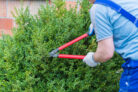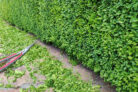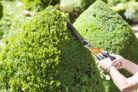
I know, I know—trimming the hedges can feel like a total chore. But trust me, it’s a must! It’s not just about keeping things looking sharp and tidy; regular pruning is the secret to a boxwood hedge that’s thick, lush, and, most importantly, healthy. Let’s dive into the “when” and “how” of getting those perfect cuts.
The Best Time to Trim
Boxwoods do most of their growing between April and September, so you’ll want to keep your pruning projects within that window. You can actually trim these hedges quite often if you’re going for a super-dense, manicured look, but make sure to give the plants at least four weeks to recover between sessions. Just a heads-up: the more often you trim a young hedge, the longer it’ll take to reach its full height.
Timing your trim with the weather is also key. Aim for a cloudy day that isn’t rainy. Why? Moisture can invite fungal infections, while harsh, direct sun can actually scorch the freshly cut leaves. If the sun decides to pop out, you might even want to set up some temporary shade for your shrubs.
Pro Tip:
Before you start clipping, double-check for any nesting birds! From April to September, you should avoid heavy, structural pruning anyway to protect local wildlife.
Different Types of Pruning
Whether you’re dealing with a tall privacy screen or a low garden border, these techniques will keep your boxwoods in top shape.
The Initial Planting Cut
Even as “babies,” these evergreens are usually pretty well-branched. Still, right after planting your hedge, you should trim back all the new growth by about a third. This encourages the plant to branch out even more, which is exactly what you want for a gap-free hedge. This is also the time to give them a rough “shave” into their future shape.
Pro Tip:
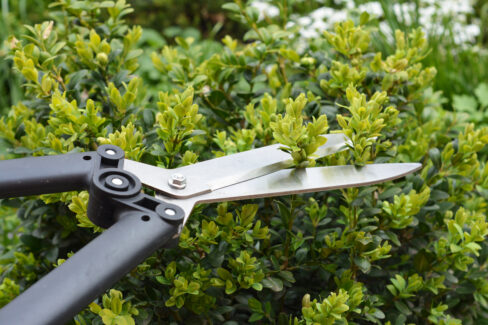
Always use sharp, sanitized shears. I highly recommend laying down a tarp or drop cloth first—it makes cleaning up those tiny clippings a breeze. If your boxwood is healthy, toss the clippings in the compost. If it looks diseased, put them in the trash instead.
Training Your Hedge
Think of this as the “growing up” phase. You’re building the hedge’s structure layer by layer until it reaches its final size. Since boxwoods aren’t exactly speed-demons when it comes to growth, this process takes a few years.
- Trim twice a year while the hedge is young.
- Once it’s established, one trim per year is usually plenty.
- Aim to finish your “training” cuts by the end of July.
- Ideally, do the first trim in May and the second in late July.
- Lightly trim back new growth on all sides.
- Remember: the taller the hedge, the wider the base needs to be.
To keep your height consistent, you can use a simple DIY guide. Lean a board against the hedge to mark your height and cut horizontally along it. To get perfectly straight sides, you can even drill holes in the ends of a board, slide them over stakes driven into the ground, and use that as a steady guide.
Pro Tip:
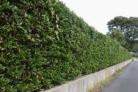
The “Trapezoid Rule” is your best friend. If the hedge is slightly wider at the bottom than at the top, sunlight can reach the lower leaves. This prevents the bottom of your hedge from getting “leggy” or bare.
Maintenance Pruning
Once your hedge has reached its goal size, a once-a-year maintenance trim will keep it looking polished. The sweet spot for this is between June and August. Don’t wait too late in the fall, or the new growth won’t have time to “harden off” before the frost hits.
Rejuvenation Pruning
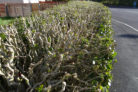
If your hedge has become an overgrown mess or is looking a bit “tired,” you can give it a fresh start in the spring. Cut it back hard—down to about a quarter of its desired height. Don’t forget to heavily prune the sides too. It’ll look a bit bare at first, but over the next few years, you can rebuild it using the training steps above.