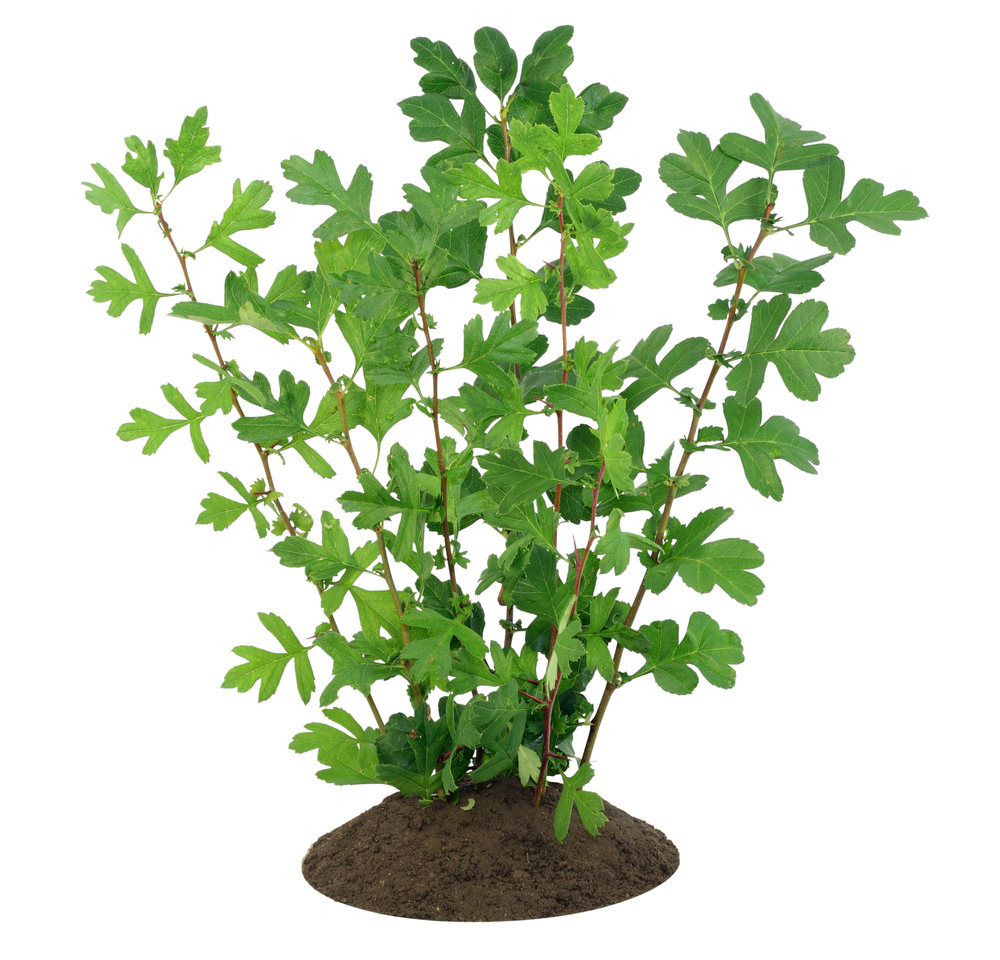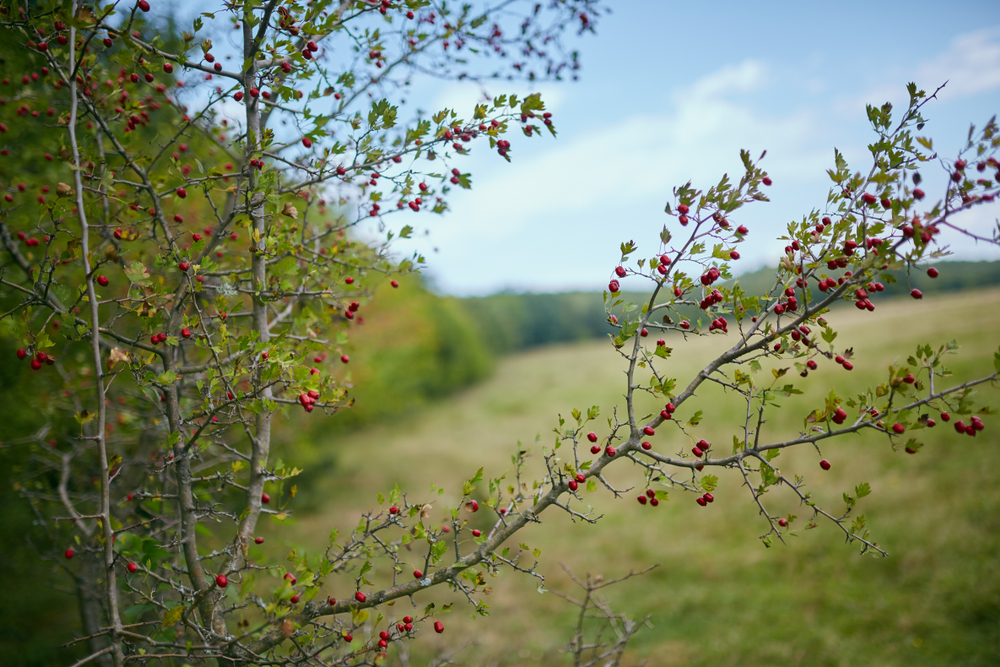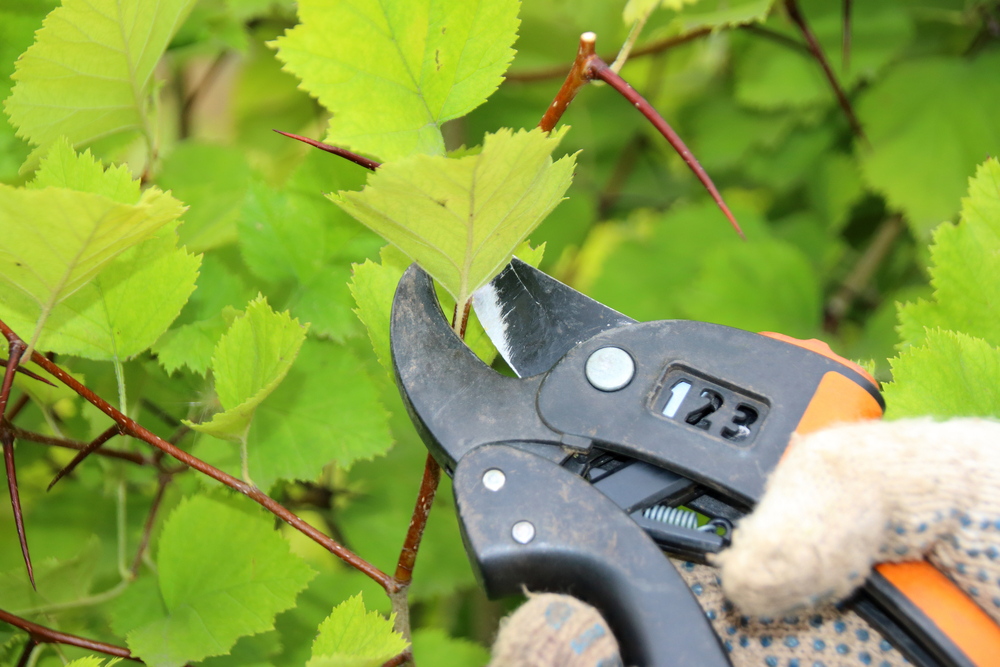
If you want to keep your hawthorn hedge looking sharp, a little pruning is definitely on the to-do list from time to time. The good news? Hawthorn is incredibly hardy and handles pruning like a champ—it actually rewards a good trim with a burst of vigorous new growth!
Finding the Perfect Time to Prune
This beautiful member of the rose family makes a fantastic hedge. However, there’s a little trade-off to keep in mind: if you’re dreaming of a hedge covered in those iconic white blossoms, a strictly manicured “formal” hedge might not be the way to go. Every time you shear it into a perfect shape, you’re likely snipping off future flower buds. If you have the space, letting your hawthorn grow a bit more naturally will give you the best floral show. You can check out more about hawthorn blossoms right here.
For the first two or three years after planting, it’s best to let your hawthorn settle in without any pruning. Once it’s established, the best time for a structural prune is in early spring before the new buds break. For a standard hedge trim, June is usually the sweet spot. Technically, you can prune hawthorn almost any time of year—even during the growing season or after flowering—as long as there’s no frost in the forecast.
To get the best of both worlds (a tidy hedge and beautiful flowers), try pruning only every two years. Also, don’t forget that hawthorn is a favorite neighborhood hangout for birds! They love nesting in its thorny branches, so always double-check for any feathered families before you start clipping during nesting season.
How to Tackle the Trim
Once a hawthorn gets established, those branches can get pretty tough and gnarly, so a basic pair of hedge shears might not cut it. To get clean cuts that help the plant heal quickly, you’ll want the right tools for the job. I recommend having these on hand:
- An anvil pruner (perfect for those tough, woody dead branches),
- A bypass pruner (best for clean, precise cuts close to the stem), or
- Loppers or geared loppers (for those thicker, heavy-duty branches).
If you’d rather grow your hawthorn as a standalone tree or large shrub instead of a hedge, focus on removing the side branches near the base of the trunk to encourage that tree-like shape.
Late fall or winter is the ideal time to shape the “crown” or canopy of the tree—just make sure you avoid days with freezing temperatures. Hawthorn tends to grow in a bit of a wild, tangled pattern, so thinning out the center of the crown helps let light reach the lower parts of the plant. And hey, if you want more plants, you can take five-inch cuttings in the summer to start new ones! You can find more tips on propagating hawthorn here.