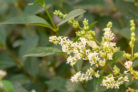
If you’ve noticed your privet’s usually sleek, straight leaves starting to curl up, you might be a little worried. Don’t panic! We’re going to dive into what’s likely causing this and the best way to handle it so your hedge stays looking great.
Why Your Privet Leaves are Curling
Seeing those vibrant green leaves start to twist and roll—usually in the spring—can be a bit of an eyesore. But here’s the good news: it’s rarely a cause for major concern. While it might mess with your hedge’s “aesthetic,” it’s usually not a sign of a serious disease. Your privet isn’t in any real danger, and it’ll likely be back to its lush, glossy self by next summer at the latest.
The Culprit: The Privet Aphid
If the leaves are curling but still look green, you’re almost certainly dealing with the privet aphid. These little guys love to hang out on the undersides of leaves. Generally, a healthy, established privet is tough enough to handle an aphid party on its own without any help from you. Once the season passes and new growth kicks in after winter, the plant naturally regenerates.
How to Deal with Aphids
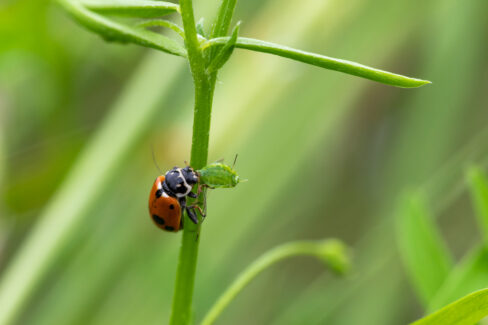
In most cases, you can just let nature take its course. However, if the infestation looks particularly heavy and you want to give your hedge a helping hand, you don’t have to reach for harsh chemicals right away. Instead, try inviting some natural predators to the garden, such as:
- Ladybugs
- Lacewings
These “good bugs” are aphid-eating machines and will clean up your privet naturally.
Pruning Affected Branches
Even though the aphids usually move on within a few weeks and new leaves will sprout next spring, those curled leaves can be annoying to look at. If they’re bothering you, feel free to simply prune away the affected shoots and branches. If the situation is really out of control, privets are incredibly resilient, so you can even opt for a hard rejuvenation prune if necessary.
Can You Prevent It?
To be honest, it’s pretty tough to prevent aphids entirely—they’re just part of gardening life! The best defense is a good offense: keep your privet healthy and vigorous. A strong plant can fight off pests much faster on its own. Make sure you’ve chosen the right spot for your privet, and whatever you do, avoid “wet feet” (standing water). Finally, a regular, light trimming to thin out the hedge and improve airflow will go a long way in keeping your plants happy and pest-resistant.