Daylilies are the absolute stars of the garden when they’re in full bloom. But let’s be honest—it’s a total bummer when that spectacular show just doesn’t happen. If your daylilies are looking a little lackluster, don’t worry! In this post, I’ll walk you through why your plants might be shy and how you can get them blooming again.
Why Isn’t My Daylily Blooming?
It’s actually pretty common for daylilies to skip the flower show during their first year in a new spot. But if you’re heading into year two and still seeing nothing but green leaves, it’s time to do a little detective work. Usually, the culprit is something simple like the wrong spot, hungry soil, or a few uninvited garden pests.
Ask yourself these quick questions to narrow it down:
- Did you recently transplant your daylily?
- How old is the plant?
- Did you get it in the ground too late in the season?
- Is it feeling a bit crowded by its neighbors?
- Has it been a particularly dry summer?
- Do you have a late-blooming variety that just hasn’t reached its peak yet?
How to Fix It (and Prevent It Next Time)
If you want those gorgeous blooms, it really comes down to two big things: the right location and a little TLC during planting. Daylilies are sun-worshippers, so make sure they’re getting plenty of light. Ideally, you want to plant them in the spring—around March or April—and give them some breathing room. A good rule of thumb is to leave at least 15 to 16 inches (40 cm) between plants.
Once your daylilies have been settled for a year, you can start giving them a little boost with fertilizer, especially if your soil is on the sandy or poor side. Just make sure to feed them by June at the latest; fertilizing too late in the summer can make them more sensitive to frost when winter rolls around. Keeping them hydrated and dividing them every three years or so will also go a long way in keeping them happy and productive.
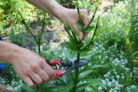
One last thing to keep an eye on: pests. The Daylily Gall Midge is a common party crasher that loves to lay eggs inside the flower buds. The larvae then eat the bud from the inside out, so it never gets a chance to open. If you see any weirdly swollen or deformed buds, pluck them off immediately and toss them in the trash to stop the cycle!