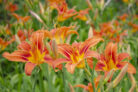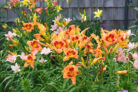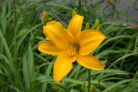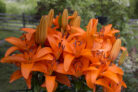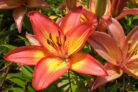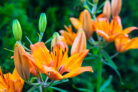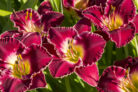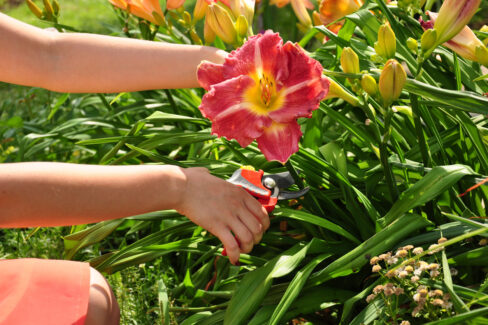
Daylilies are such a fantastic addition to any garden—those stunning blooms are a total showstopper! But the best part? They aren’t just pretty; they’re incredibly low-maintenance. In fact, you don’t even *have* to prune them most of the time. However, there are a few specific situations where grabbing your garden shears is a smart move.
Pruning Daylilies: When Does It Actually Make Sense?
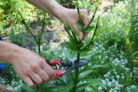
Daylilies are tough cookies. A healthy plant will keep blooming and growing just fine even if you never touch it with a pair of scissors. That said, pruning can help your plants look their best and stay healthy. You’ll want to reach for your shears if:
- You want to prevent seed production and self-seeding.
- The plant is dealing with pests or disease.
- It’s looking a bit messy and needs a “haircut.”
- You’re planning to harvest some for a snack (yes, really!).
- You’ve just divided the plant.
Preventing Seed Production
Once the blooming season wraps up, it’s a good idea to trim back the spent flower stalks. Creating seeds takes a ton of energy, and your daylily would much rather spend that energy on making next year’s flowers. Plus, if you let them go to seed, they’ll spread all over the place on their own. If you’d rather choose where your plants grow yourself, it’s best to cut those stalks down.
Dealing with Pests and Disease
If you spot a disease, don’t be afraid to cut away the affected parts right away. Daylilies are also a favorite for certain pests, especially the daylily gall midge. These tiny flies lay eggs in the buds, and the larvae eat the flower from the inside out before it can even open. If you notice any weirdly swollen or deformed buds, snip them off immediately and get rid of them to stop the cycle.
Keeping Things Tidy
Let’s be honest: sometimes we prune just for the “curb appeal.” Removing wilted flowers and yellowing leaves keeps the plant looking fresh and vibrant. One pro tip: leave the foliage alone in the fall! Those dead leaves actually act as a natural mulch to protect the crown from frost during the winter. Come springtime, you can easily clear away the old debris by gently pulling it out of the ground.
Eating Your Daylilies
Believe it or not, daylilies are edible! If you’re feeling adventurous in the kitchen, you might want to harvest the blossoms or young stalks. They’re surprisingly versatile and add a unique flair to soups, salads, and stir-fries. Just make sure you’re using clean shears for your “harvest.”
After Dividing
If you’ve just divided your daylilies in the spring or fall, that’s another great time to prune. After you’ve dug up the root ball, split it, and moved your “new” plants to their new homes, go ahead and trim the leaves back to about 6 inches (15 cm). This helps the plant focus on establishing strong new roots instead of trying to maintain all that foliage.