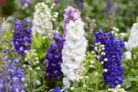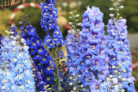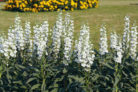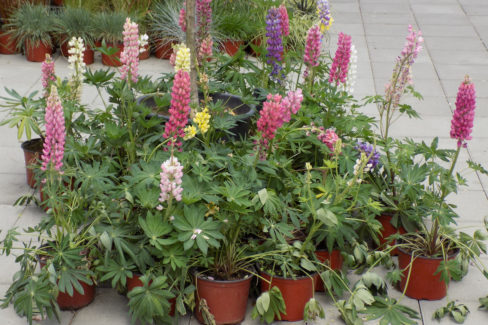
Larkspur (Delphinium) isn’t just a staple of cottage gardens and backyard flower beds; it’s also a fantastic candidate for container gardening. Many gardeners actually prefer growing them in pots to protect those tender young spring shoots from hungry slugs. Plus, let’s be honest—they look absolutely stunning as a focal point on a balcony or patio.
What should you keep in mind when planting Delphinium in pots?
If you’re planning to grow these tall, dramatic perennials in containers, there are just a few “must-dos” to keep them happy. First, find a sunny spot that’s sheltered from heavy winds. Choosing the right container size is also key: the taller the variety you choose, the more room its roots will need to anchor the plant.
I always recommend using a natural material like terracotta or clay. These breathable materials allow excess moisture to evaporate and, more importantly, keep the roots nice and cool. Delphiniums hate “hot feet”—if the roots overheat, the plant will stop growing and become much more susceptible to pests and diseases.
How to care for your potted Delphinium
While Delphiniums in the ground are pretty low-maintenance, potted versions need a little more TLC. They never want to dry out completely, and they’re hungry for regular nutrients. Follow these tips to keep your potted larkspur thriving:
- Water your Delphinium as soon as the top layer of soil feels dry to the touch.
- Always empty the saucer after watering; they don’t like sitting in a puddle.
- Add a layer of broken pottery shards or pebbles at the bottom of the pot for drainage—root rot is a real mood-killer for these plants.
- Feed your plant with a liquid flowering fertilizer every four weeks.
- Only fertilize during the active growing season, typically from March through August.
- Give them a “haircut” after the first bloom—cut the plant back to about 8 inches to encourage a second flush.
- Prune them back a second time in the fall before they go dormant for the winter.
- To overwinter, move the pot to a sheltered outdoor spot and wrap the container in a blanket or burlap sack.
- For extra insurance, top the soil with a layer of leaves, straw, or brush to keep the roots cozy.