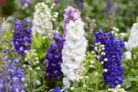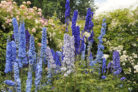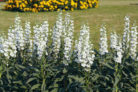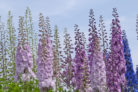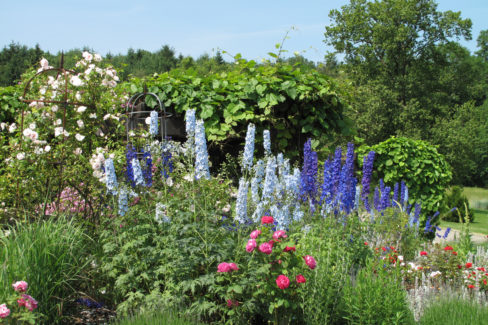
Let’s be honest: moving to a new home is stressful, and it’s no different for your plants! When you transplant Delphinium, they need a little extra TLC to get settled and establish those roots. If you’re planning a move, the best time to do it is in the fall (a few days after you’ve cut them back) or very early in the spring.
When is the best time to transplant Delphinium?
If you want to give your Delphinium the best start, aim for autumn right after their post-bloom pruning. This gives the perennials plenty of time over the winter to get their roots firmly in the ground. If you missed your fall window, don’t sweat it—you can also move them in early spring. Just make sure the ground isn’t frozen anymore and that your new spot gets plenty of sunshine.
Keep in mind that these beauties need time to wake up and start pushing out new growth. If you wait too long in the spring to move them, you might notice the blooming season starts a bit later than usual. The golden rule? The earlier you get them in the ground in spring, the better! The good news is that most Delphinium varieties are pretty hardy and handle being moved quite well.
How to transplant Delphinium: A step-by-step guide
- First, dig a hole at the new location that’s about twice as wide as the root ball.
- Mix the soil you dug out with a healthy dose of compost to give the plant a nutrient boost.
- Pour plenty of water into the hole before you even bring the plant over.
- Head over to your Delphinium, loosen the soil around it, and use a spade to cut around the root ball (give it a nice, wide radius!).
- Grab a garden fork and gently lift the perennial out of the ground.
- Shake off the heavy excess dirt, but keep a little bit of the original soil attached to the root ball. This helps the plant feel “at home” and settle in faster.
- If you’ve been thinking about dividing your plants, now is the perfect time to do it!
- Place the plant into its new hole and fill it back up with your compost-enriched soil.
- Give your Delphinium a thorough watering.
- Finish off by mulching around the base. Delphiniums love having “cool feet” (shaded roots).
Bonus tip: Mulching isn’t just great for moisture; it also helps keep those pesky slugs away and means you won’t have to water quite as often during those scorching summer days.