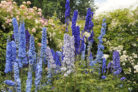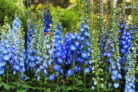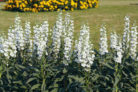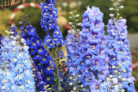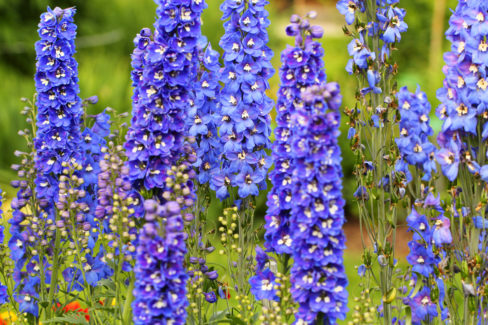
Delphinium, or Larkspur as many of us call it, is a stunning garden classic with so many beautiful varieties to choose from. A member of the buttercup family, these tall beauties are a staple in cottage-style gardens. If you’re looking to get more of them without spending a fortune at the nursery, you’re in luck! Delphiniums are actually super easy to propagate via cuttings, seeds, or—my personal favorite—division.
It’s All About the Roots
Before you start digging, take a look at what’s going on underground. Delphiniums can have different types of root systems depending on the variety. Some have chunky, tuberous roots, while others have a more delicate, fibrous system. How you divide them depends entirely on what you find. If your plant has a solid root tuber, a sharp knife or a clean spade is your best friend. However, if you’re dealing with fine, fibrous roots, it’s better to gently pull them apart by hand.
No matter which method you use, the goal is to minimize damage. The healthier the root section, the faster your new plant will settle into its new home!
How to Divide Your Delphinium Like a Pro
Dividing your Delphinium is a total win-win. Not only do you get “free” plants, but it also acts as a spa day for older perennials, giving them a fresh burst of energy. Most plants handle the process really well, and the best times to do this are in the early spring or fall. Here’s a quick step-by-step to get you started:
- Carefully lift the plant out of the ground using a garden fork.
- Depending on the size of the root ball, divide it into several sections.
- Make sure each section has at least two or three healthy new shoots.
- Gently untangle the roots and clear away any dead bits or sneaky weeds.
- Get those new sections back into the ground at their new spots right away.
Pro tip: Always use the outer sections of the root clump for your new plants. The center of an old Delphinium often gets “bald” and woody, meaning it won’t produce those lush new shoots we’re looking for. You can just toss that old center piece onto the compost pile and let the fresh outer divisions shine!