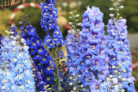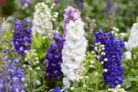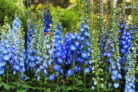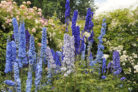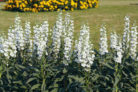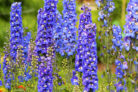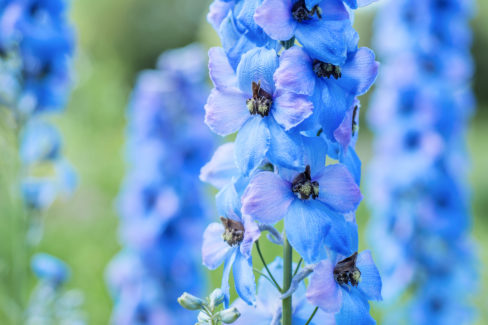
If you’re lucky enough to have Delphinium in your garden, you already know how breathtaking those towering flower spikes can be. But here’s a pro tip: these perennials aren’t necessarily “one and done” for the season. You can actually coax a second round of blooms out of them if you know the secret to pruning at the right time.
Delphinium at a Glance
- Tall-growing perennial
- Botanical name: *Delphinium*
- Known for stunning flower spikes, usually in shades of blue or white
- Main blooming season is early summer
- Can be encouraged to bloom a second time with a strategic cut-back
Delphiniums are incredibly versatile plants. In fact, there are around five thousand registered varieties out there! While they are most famous for their brilliant blues—ranging from sky blue to deep navy—you can also find them in shades of violet, white, pink, red, and even yellow. Regardless of the color you choose, they all put on a spectacular show in early summer, typically peaking in June and July.
How to Get a Second Bloom
The trick to getting a “bonus” round of flowers is all in the timing. As soon as the first flowers start fading, you’ll want to cut the stalks back to about 8 inches (20 centimeters) above the ground. In most cases, this encourages the plant to send up new growth, leading to a second flowering period in September.
Saving Seeds
If you decide not to prune, the plant will develop seed pods (known as follicles) after the flowers drop. You can easily collect these seeds to save for planting next spring. If you leave the pods on the plant, the Delphinium will often self-seed on its own, dropping the seeds once they’re ripe and ready.
A Quick Safety Note: Handle with Care!
As beautiful as they are, keep in mind that all parts of the Delphinium are extremely toxic. Always wear gardening gloves when pruning or handling them to avoid skin irritation. Most importantly, make sure to keep seeds and plant trimmings well out of reach of children and pets.
delphininium