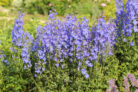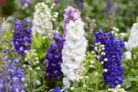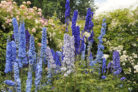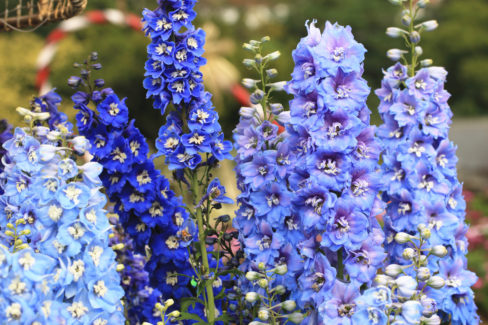
Delphinium is a total garden favorite, and it’s easy to see why—those vibrant, electric blue blooms are absolute showstoppers. These perennials come in a ton of different varieties, and here’s a pro tip: you can actually get most Delphiniums to bloom twice in one season if you time your pruning just right.
Quick Facts
- Botanical Name: Delphinium
- Loves a sunny spot in the garden
- Prefers nutrient-rich, loamy soil with plenty of organic matter
- You can encourage a second bloom by cutting it back after the first flowering in early summer
- Keep an eye out for powdery mildew, as they can be susceptible
- Protect new growth from hungry slugs in the spring
- Best propagated by division in early spring or late summer
Pruning Your Delphinium After the Summer Bloom
The first flowering window for most varieties—like the tall and majestic *Delphinium elatum*—usually happens in early summer, around June or July. If you want to coax out a second round of flowers, you’ll need to act as soon as the first blooms start to fade. Cut the stems back to about 6 to 8 inches above the ground. In most cases, this triggers the plant to send up new growth, leading to a second floral display in September.
Pro Tip: Make sure you don’t strip away all the Delphinium leaves during this process, or the plant might not have the energy to sprout again. Also, definitely grab a pair of gardening gloves before you start. Delphiniums are toxic if eaten, but the sap can also cause skin irritation or a nasty rash for some people. Better safe than itchy!
delphininium