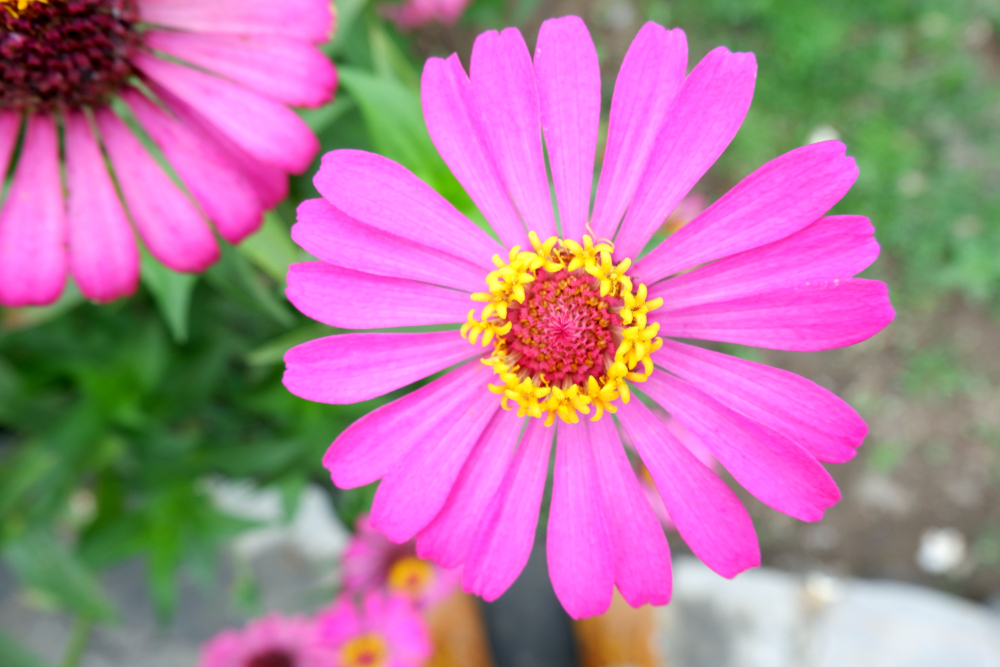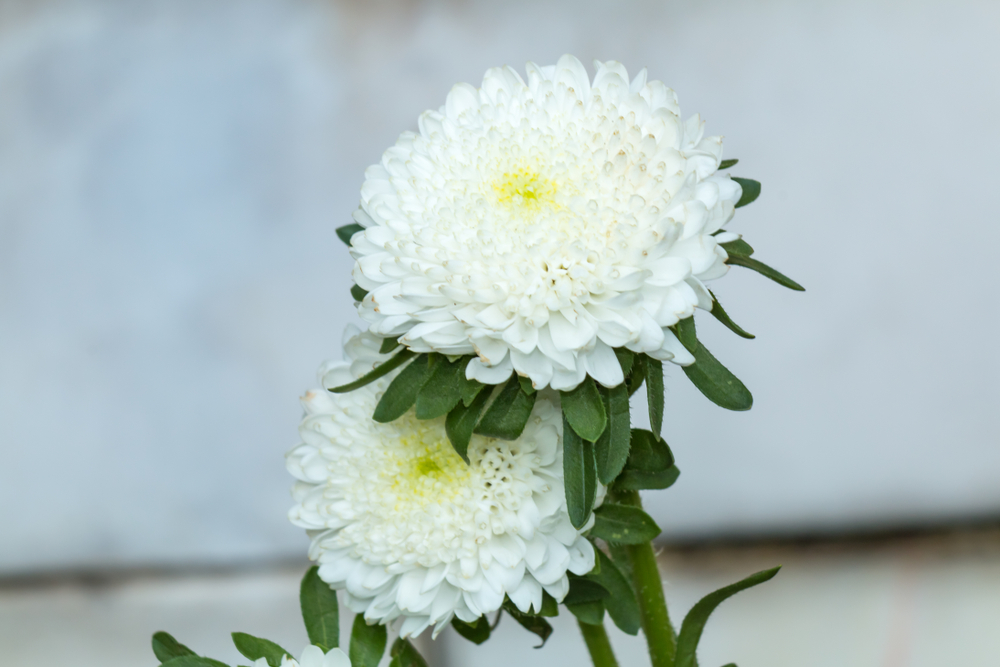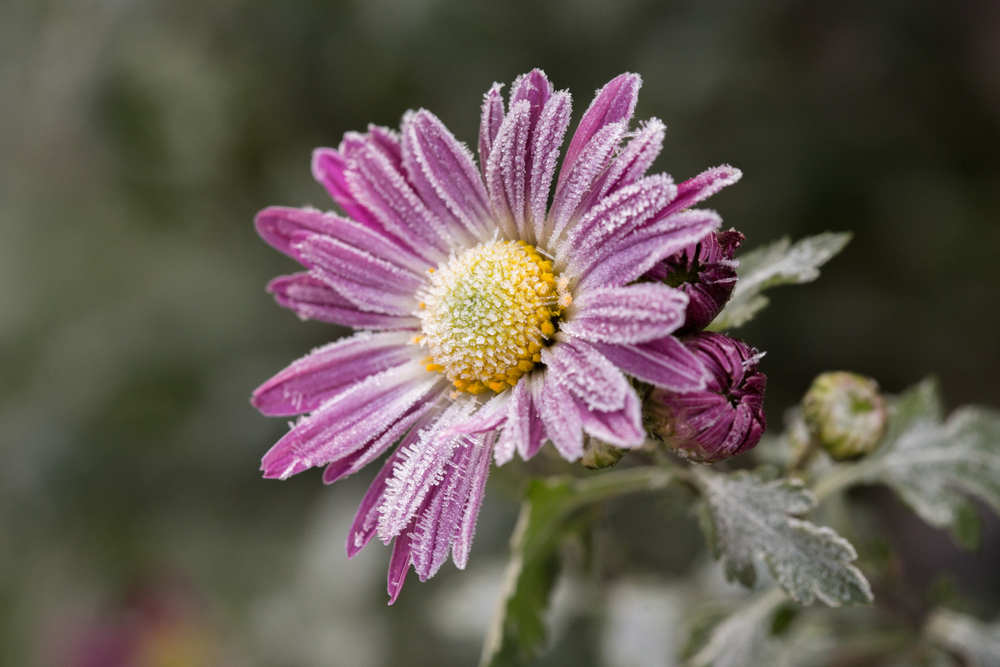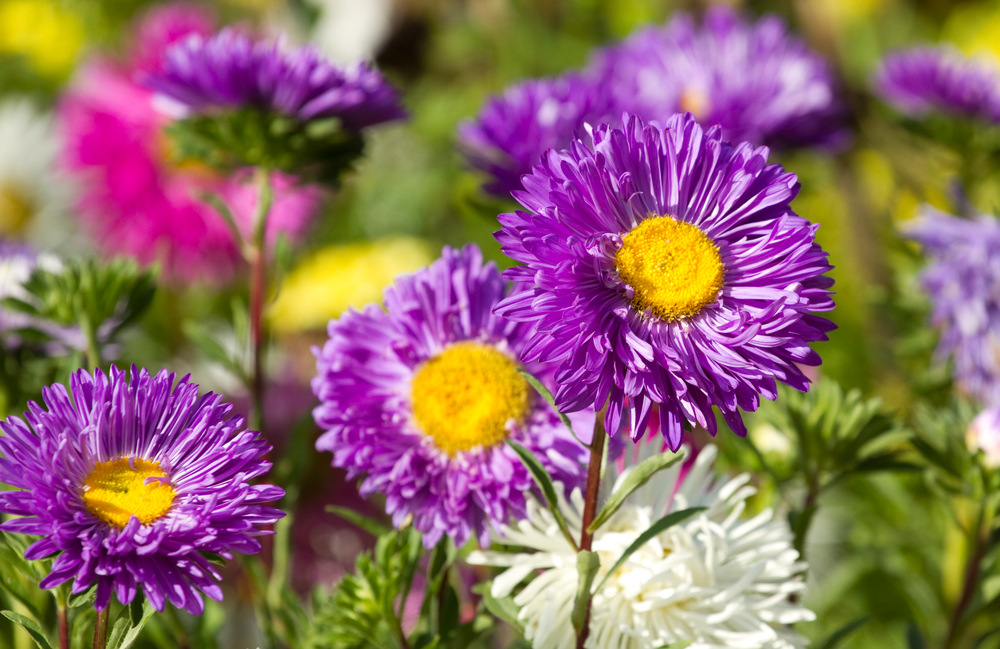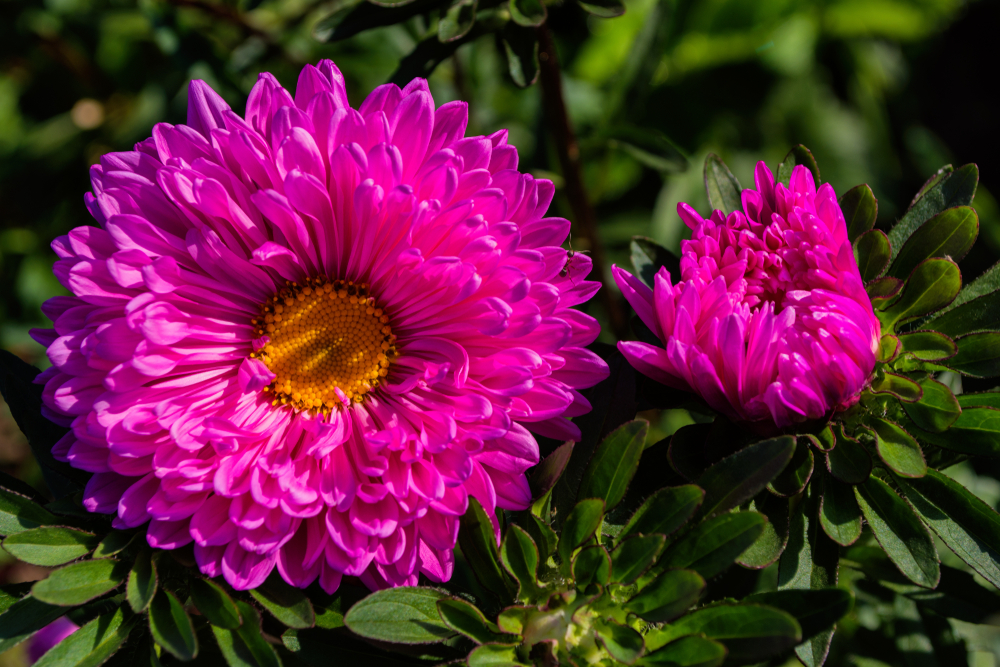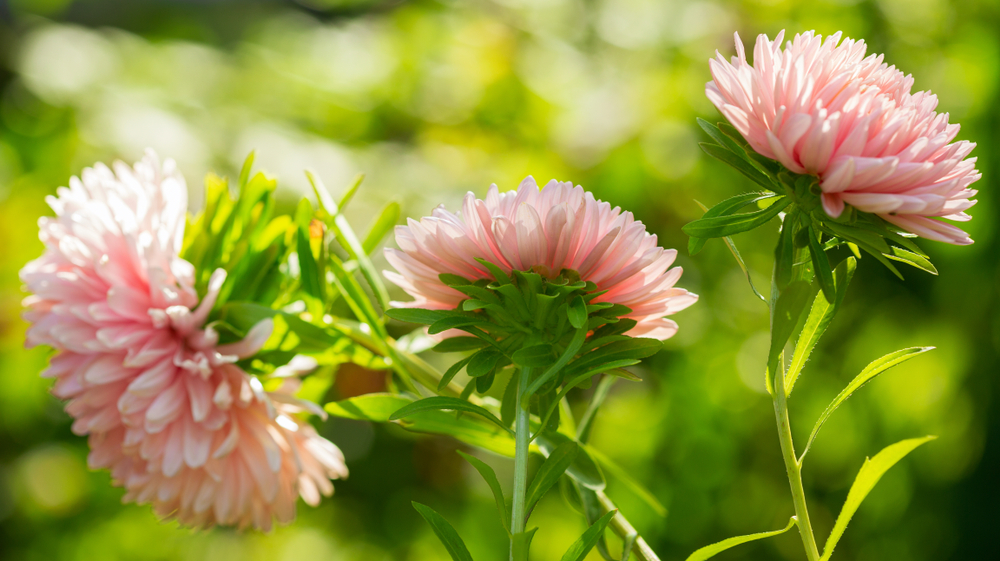
With over 180 different species, asters are some of the most versatile residents you can add to your garden. If you plan your planting right, these beauties will reward you with a massive explosion of color throughout the season. However, getting those picture-perfect blooms starts with picking the right spot. Since every aster variety has its own “happy place,” it’s definitely worth doing a little homework before you start digging.
Finding the Sweet Spot for Your Asters
Generally speaking, asters are sun-lovers and bloom best when they get plenty of light every day. That said, the scorching midday sun can be a bit much for their delicate petals, often causing them to wilt prematurely. A spot that offers a little dappled shade during the hottest part of the afternoon is usually the “Goldilocks” zone. You’ll also want to protect them from heavy winds—planting them near a fence or among sturdier perennials works wonders. Pro tip: Don’t crowd them! Giving your plants some breathing room helps prevent common diseases like aster wilt or powdery mildew from spreading.
Next up is the soil. While asters aren’t overly picky “divas,” they definitely thrive when the ground meets a few specific criteria:
- Rich in organic matter (humus)
- Fresh and nutrient-dense
- Well-aerated and loose
- Slightly loamy but not too heavy
- Excellent drainage (water needs to move through easily)
- Consistently moist but never soggy (adding a bit of drainage material at the bottom of the hole during planting is a lifesaver)
- Occasionally boosted with a fresh layer of compost
Special Requirements for Specific Aster Varieties
While most asters love that “moist and nutrient-rich” combo, there are a few rebels in the family that prefer different conditions:
- Alpine and Italian Asters: These guys actually like lime-rich soil and don’t need as many nutrients. Italian asters are also a great pick for drier rock gardens.
- Bigleaf, Wild, and White Wood Asters: These are your go-to plants for those tricky semi-shaded spots. They’re perfect for brightening up the darker corners of your yard.
- Dwarf Varieties: These low-growing types make fantastic groundcovers and are tough enough to handle the nutrient-poor soil found under large trees.