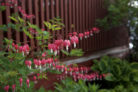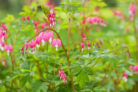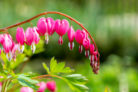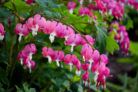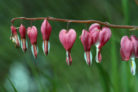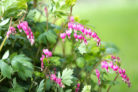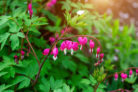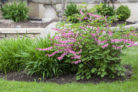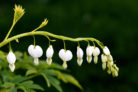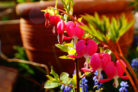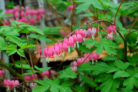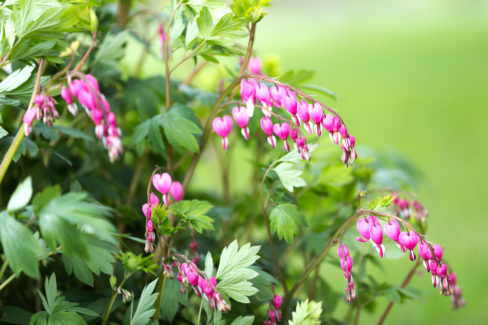
Bleeding Hearts are a total classic in cottage gardens, and honestly, they look amazing in just about any perennial bed. They’re also perfect for adding a little romantic flair to your patio or balcony when grown in containers. Once your plants have filled out and gotten nice and strong, you can actually divide them to get even more of these beauties for free!
Dividing for True-to-Type Plants
Bleeding Hearts are real showstoppers, especially when you plant them in small clusters. If your plant is looking lush and vigorous, it’s a great candidate for division. The best time to do this is either in the early spring before the new growth starts popping up, or right after they finish blooming. Generally, you’ll want to wait about three to five years between divisions to make sure the root ball is sturdy enough to handle the move. If you’re growing them in pots, you can divide them whenever they start outgrowing their home and need a bigger container.
Try to pick a cloudy day for this project—direct sun can really stress the plant out while you’re working. Here’s how to do it:
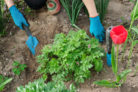
- Use a garden fork to carefully lift the entire plant out of the ground.
- Try your best to keep all the roots intact as you dig.
- Gently shake off any excess dirt so you can see what you’re working with.
- You can divide the clump using a sharp spade or a clean garden knife.
- Make sure your tools are sharp and sterilized! This prevents crushing the roots and keeps diseases from spreading.
- Ensure each new section has a good set of roots and at least one bud or “eye.” These divisions will be genetically identical to your original plant.
- Replant your new babies in a good spot and give them a nice drink of water.
- If you’re dividing in the spring, it’s a smart move to protect the new shoots from late night frosts with a little evergreen brush or mulch.
Finding the Perfect Spot
Bleeding Hearts love a spot that’s protected from the wind, and partial shade is really their “sweet spot.” They don’t mind having other perennials or small shrubs as neighbors—in fact, those neighbors provide some much-needed shade during the harsh midday sun, which Bleeding Hearts aren’t big fans of.
As for the soil, you want it loose and well-draining. While these plants are thirsty and need regular water, they hate having “wet feet” (standing water). A thick layer of bark mulch is a lifesaver here; it helps keep the moisture in the ground and does the double duty of keeping weeds at bay.