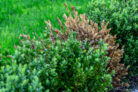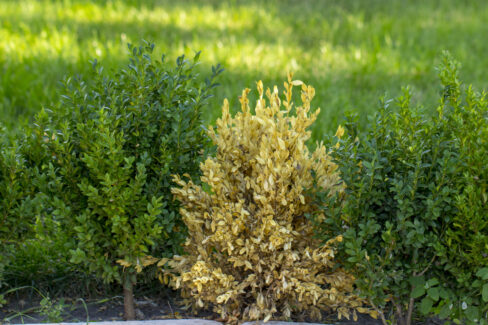
Every gardener knows that heart-sinking feeling when you spot dry, brown patches on your boxwood. Sometimes, it’s just a little “oops” in our care routine, but let’s be real—the list of pests and diseases that can turn those lush green leaves crispy is frustratingly long.
Quick Look at the Culprits
- Lack of water
- Fungal infections
- Pests
Thirsty Boxwoods
During those scorching summer stretches, your boxwood (botanically known as *Buxus*) can get pretty parched. Even on mature plants, the roots only go about 24 inches deep. When it’s hot, you’ll want to give them a good soak daily, ideally in the morning.
But here’s a pro tip: the biggest risk of drying out actually happens in the winter. A lot of folks forget that because boxwoods are evergreen, they still need a drink during the colder months. Some people assume the plants can fend for themselves, but if the ground is frozen solid, the roots can’t pull up any moisture. If you get a sunny winter day on top of that, the leaves lose water even faster through evaporation. You might not even notice the frost damage (which is often just dehydration) until the spring growth starts. During winter, try to water your boxwood about once a week, but only on days when the ground isn’t frozen.
Fungal Headaches
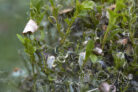
Unfortunately, several fungi love to call the boxwood home. While boxwood wilt (*Fusarium buxicola*) usually targets older shrubs, boxwood canker (*Volutella buxi*) tends to strike when the plant is stressed from lack of nutrients or water. Boxwood rust (*Puccinia buxi*) is less common but can be tough to deal with. However, the one most of us dread is boxwood blight (*Cylindrocladium buxicola*).
If you spot a fungal infection, you’ve got to act fast:
- Prune back the affected branches immediately.
- Cut all the way back into the healthy or old wood.
- Dispose of the clippings right away (don’t compost them!).
- Swap out the top layer of soil.
- Get rid of that old soil, too.
If a boxwood is too far gone, the best thing to do is dig it up and toss it. Since the soil will be full of fungal spores, avoid planting another boxwood in that same spot for a few years unless you’re prepared to do a very deep soil replacement.
Pest Problems
If your boxwood is in a hot, dry spot, mites are likely to move in. You might also run into boxwood leafminers, psyllids (lice), or the notorious boxwood moth caterpillar. Each one leaves a slightly different “calling card,” but they often result in parts of the plant looking dried out or dead.
These critters multiply fast and are so tiny (or good at hiding) that you might not notice them until the damage is done. Make it a habit to peek inside the foliage regularly. The earlier you catch an infestation, the better luck you’ll have stopping it with pruning or organic sprays like neem or rapeseed oil.
Quick Tip:
You can keep most of these headaches at bay by picking a planting spot that isn’t too hot and has good airflow. Also, watch your fertilizer—over-feeding your boxwood can be just as stressful for the plant as under-feeding it!