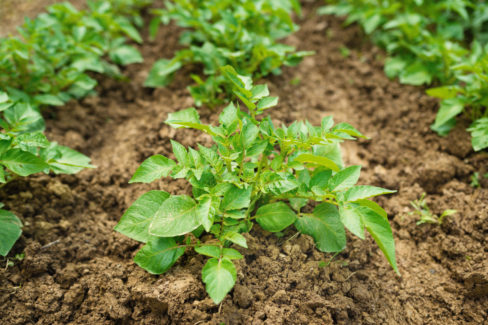
Potatoes are a total staple in the home garden, and honestly, there’s nothing quite like the taste of a homegrown spud. If you’re looking to maximize your harvest this year, getting your fertilization strategy right is key. Let’s dig into how to give your potatoes exactly what they need to thrive!
Prepping the Bed
In the Fall
Potatoes are “heavy feeders,” meaning they have a big appetite for nutrients. They love humus-rich soil and plenty of sunshine. Ideally, you’ll want to start prepping your garden bed the previous fall. This is the perfect time to spread well-rotted manure or compost. A quick heads-up: avoid fresh manure, as it’s too “hot” for potatoes and can damage them. Manure that has aged for about a year is the gold standard for these tubers.
If you want to try something a little different, potatoes absolutely love green manure (cover crops). You can find plenty of seed mixes at your local garden center. Just a pro-tip: if you’re planning on intercropping with cabbage later, avoid using mustard or radish as your cover crop. They’re all part of the brassica family and will compete for the same resources. Instead, go for legumes like lupines or peas. They naturally fix nitrogen into the soil and leave the ground nice and loose.
In the Spring
When spring rolls around, you can prep the bed by working in more compost or aged manure. Make sure to loosen the soil thoroughly as you go. If you don’t have compost on hand, don’t sweat it—organic fertilizers like horn meal (a great slow-release nitrogen source) work wonders too.
General Care
To grow big, healthy tubers, potatoes need consistent moisture. If the weather gets dry, give them a deep soak about twice a week. The best time to water is in the morning; this allows the foliage to dry out during the day, which is your best defense against fungal issues like late blight.
Keep a close eye on your plants for uninvited guests. If you spot Colorado potato beetles, the best move is to hand-pick them off. To stay ahead of blight, you can spray your plants weekly with a horsetail tea as a natural preventative. One more thing: try to avoid using a hoe around your plants once they’re established. It’s too easy to accidentally nick the growing tubers, which leads to rot. It’s much safer to pull any weeds by hand.
Fertilizing
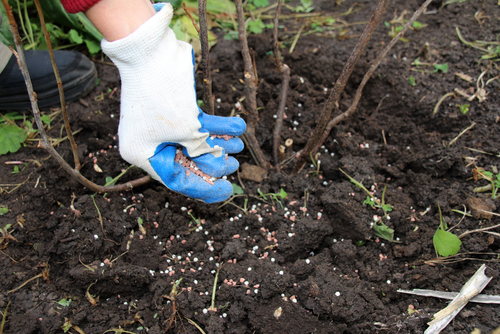
If you prepped your bed with compost or manure in the spring, you won’t need to fertilize again until the plants have developed plenty of leafy greens. This usually happens about four to six weeks after planting . At this stage, it’s time for a “booster shot” of organic fertilizer like horn meal.
Horn meal is fantastic because it’s high in nitrogen and acts as a natural slow-release fertilizer. It improves the soil structure and helps build humus over time. A good rule of thumb is to apply about 50 grams per square meter (which is roughly one handful, or about 3.5 tablespoons). Another fan favorite for gardeners is “plant tea” or liquid manure, which is super easy to make yourself. Stinging nettle is the classic choice here—it’s everywhere and packed with nitrogen.
How to Make Nettle Tea Fertilizer
- Harvest the nettle stalks and chop them up roughly.
- Grab an old bucket or a waterproof container (about 1.5 to 2.5 gallons).
- Loosely fill the container with the chopped nettles and top it off with water—rainwater is best if you have it!
- Give it a stir every day if you can; adding oxygen helps the fermentation process.
- Place the bucket in a far corner of the garden. Fair warning: it’s going to get pretty smelly as it ferments!
- After about 14 days, your “tea” is ready.
- To use it, dilute it in your watering can: use one part nettle tea to ten parts water. Mix well and pour it around the base of your plants.
You’ll want to do this supplemental feeding about four to six weeks after the seed potatoes go in the ground. About two to three weeks before harvest , stop fertilizing and cut back on the watering. This helps the tubers “cure” and mature properly.
Quick Tip: Don’t be afraid to experiment with your plant teas! Other wild herbs like chamomile or comfrey make excellent fertilizers, either on their own or mixed together.