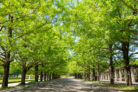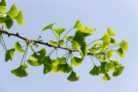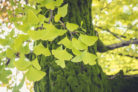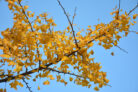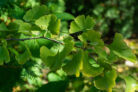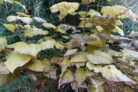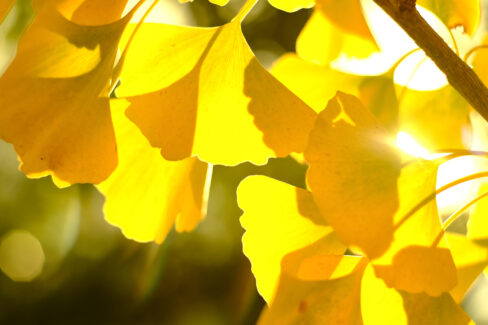
If you notice your Ginkgo tree’s leaves turning yellow, don’t panic just yet—it isn’t always a sign of trouble! In the fall, that golden glow is perfectly normal. However, if those leaves start changing color in late spring or summer, it’s usually a red flag for drought stress or a pest problem.
Getting Ready for Winter Nap
Just like most deciduous trees, the Ginkgo starts its autumn transformation by swapping its lush green foliage for a brilliant, vibrant yellow before eventually dropping its leaves. This is just the tree’s way of prepping for winter. By shedding its leaves, the Ginkgo saves energy and significantly reduces the risk of frost damage during the cold months.
One quick pro-tip: I highly recommend raking up those fallen leaves. Even though Ginkgos are incredibly hardy, leaving a thick layer of damp foliage on the ground can invite diseases or give garden pests a cozy place to hide out until spring.
Summer Drought Stress
If your Ginkgo starts looking a bit “autumnal” in the middle of July, it’s likely suffering from drought stress. These trees are pretty low-maintenance and aren’t picky about soil—you don’t even really need to worry about fertilizing them often—but they absolutely hate drying out.
If you see yellowing during a heatwave, you need to act fast with a deep soak. Keep in mind that a Ginkgo’s root zone actually extends about three feet past the edge of its canopy (the drip line). Those tiny feeder roots that soak up water are located toward the outer edges, so make sure you’re watering the entire area, not just the trunk!
Unwanted Root Guests
Unfortunately, Ginkgos aren’t immune to underground pests. Things like June bug larvae (grubs) or voles can wreak havoc on the root system. You’ll want to jump on this quickly; if the roots get too damaged, the tree won’t be able to take in the water and nutrients it needs to survive.
A tell-tale sign of root pests is if the soil around the tree suddenly feels spongy or sinks when you step on it. If you suspect uninvited guests, dig down a little bit to check for larvae or tunnels. If you find them, it’s time to set some traps or look into organic pest control methods to save your tree.