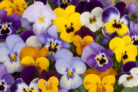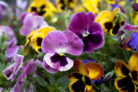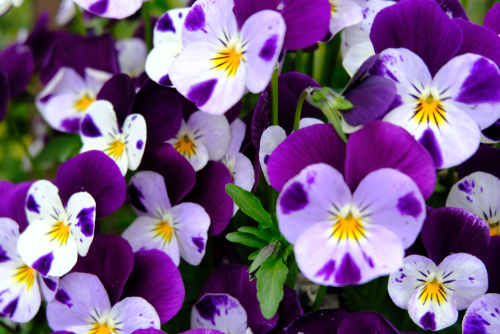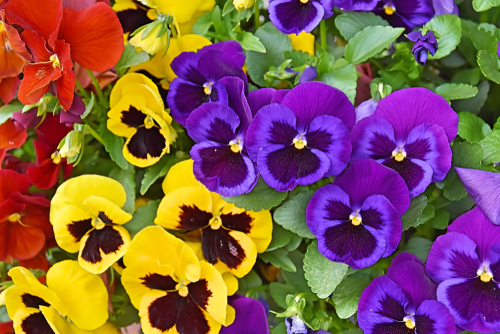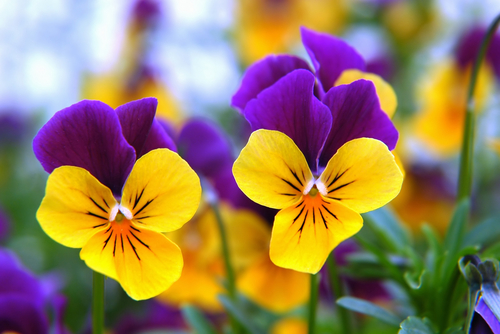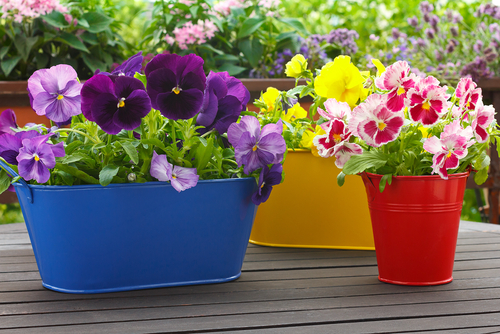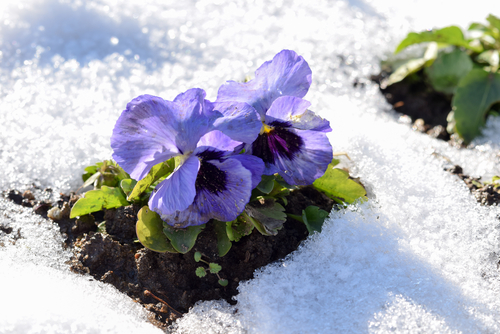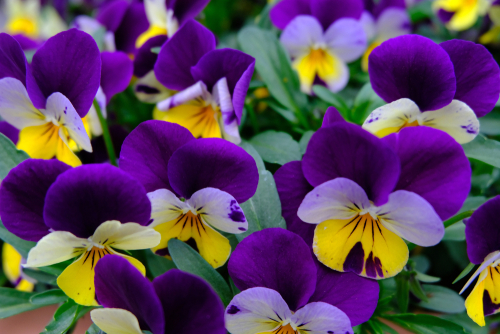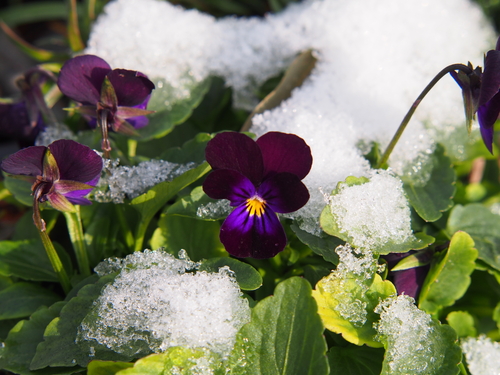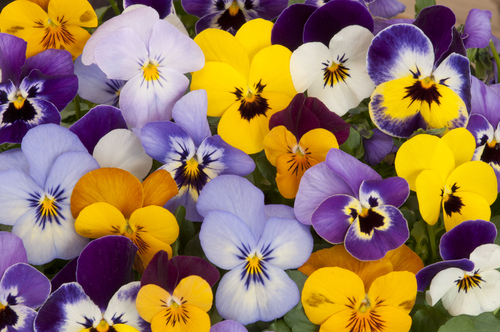
When it comes to snacking on pansies, the big question is: which part of the plant are we talking about? While pansies aren’t technically poisonous, some parts can definitely upset your stomach. On the flip side, other parts aren’t just edible—they’re actually delicious!
More Than Just a Pretty Face
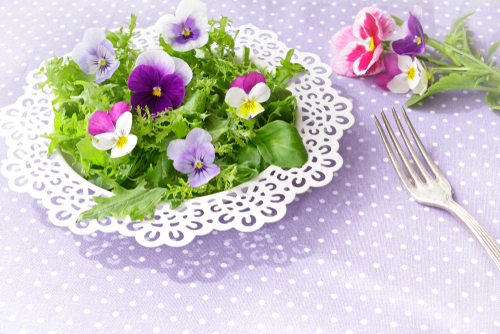
The star of the show here is the petal. If you’re tossing together a wild herb salad, pansy petals add a gorgeous pop of color that makes any dish look gourmet. Plus, they have a lovely, mild sweetness that pairs perfectly with all sorts of dressings.
Creative Ways to Use Them
Don’t stop at salads! Pansy petals are incredibly versatile in the kitchen. Here are a few of my favorite ways to use them:
- Candied as a topper for cakes and cupcakes
- Dried and steeped in herbal teas
- Mixed into homemade jams
- Used to naturally color liqueurs
And of course, they make a stunning garnish for fancy dinner plates or even a bowl of chilled summer soup.
Parts to Avoid
While the petals are great, you’ll want to steer clear of the roots and seeds. These parts can have a laxative effect and might even make you feel a bit nauseous. This goes for your furry friends, too—keep pets away from the roots! Because of these side effects, pansies aren’t really classified as medicinal plants anymore (though you’ll still see them pop up in homeopathy).
Keep it Clean and Chemical-Free
One last tip for my fellow foragers: always make sure your flowers are untreated. Most pansies you buy at a big-box nursery have been sprayed with fertilizers or pesticides, which you definitely don’t want on your plate. Avoid picking flowers near busy roads where they’ve been exposed to exhaust, and skip any that look like they’re suffering from diseases. For the best results, stick to organic blooms from your own garden!