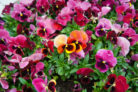
title: How to Fertilize Pansies: A Simple Guide for Happy Blooms
Pansies are what we gardeners call “light feeders,” meaning they really don’t need a ton of extra nutrients to look their best. In fact, being too generous with the fertilizer can actually backfire, hurting their health and stunted their growth. If you want to keep those cheerful faces blooming without overdoing it, here’s the lowdown on when and how to feed your pansies.
Fertilizing Pansies in the Garden
The secret to beautiful flower beds starts right at planting time. You want to set the stage by prepping your soil properly. First, clear out any weeds—not just because they’re an eyesore, but because they’ll steal the nutrients meant for your flowers! Once the ground is clear, mix these two organic boosters into the soil:
- Well-aged compost
- Horn meal (or a similar slow-release organic nitrogen source)
In most garden beds, this initial boost is enough to last the entire year. When next spring rolls around, just top-dress the soil with a little more fresh compost, and you’re good to go. Pro tip: Growing your own pansies from seed often results in hardier plants that handle the winter chill much better!
Feeding Pansies in Pots and Window Boxes
Pansies living in containers or balcony boxes can get a little “lazy” with their blooms after they’ve been in the same soil for a while. To keep the flower show going, give them a little snack of liquid all-purpose fertilizer every 2 to 4 weeks during the growing season. Don’t forget to regularly pinch off the faded flowers (deadheading) to make room for new ones! Just remember to stop fertilizing altogether once autumn hits.
Can You Have Too Much of a Good Thing?
Yes! Over-fertilizing is one of the quickest ways to stress out your pansies. Too much nitrogen can make them susceptible to pests and diseases. You might also notice your plants getting “leggy”—growing tall and spindly very quickly while forgetting to produce any actual flowers. Even worse, excessive fertilizer can stunt root development, which makes them much less winter-hardy. When it comes to pansies, less is usually more!