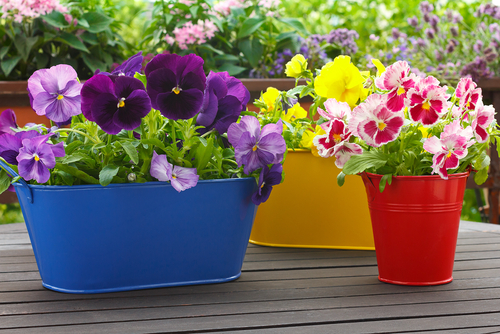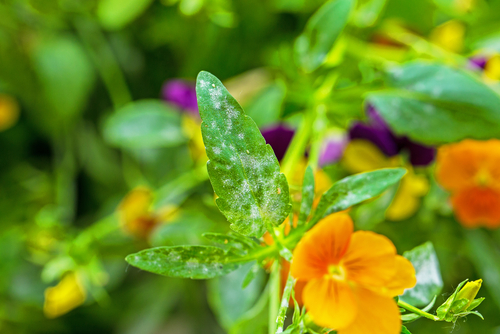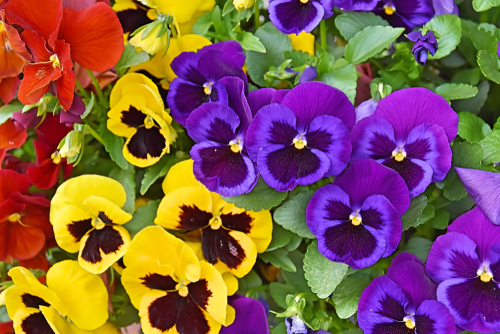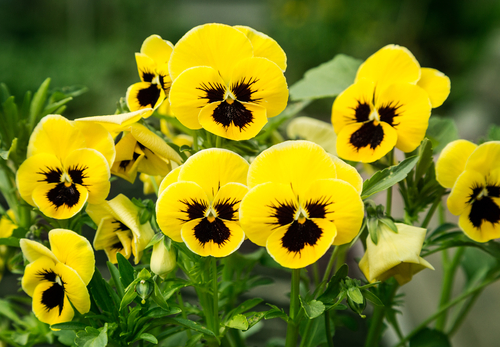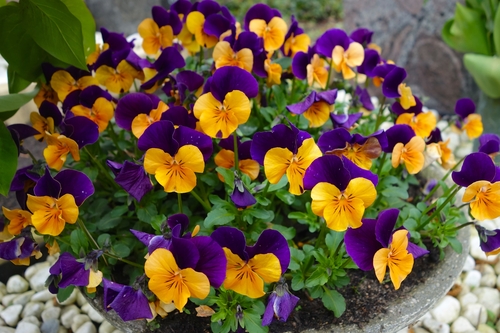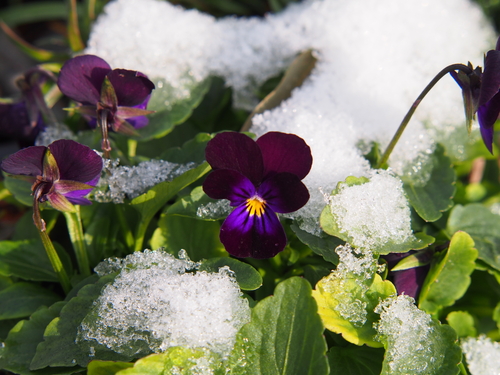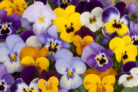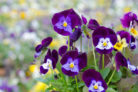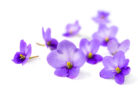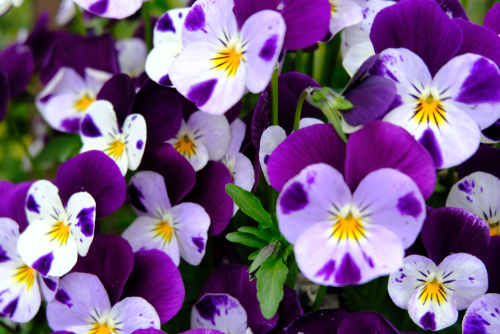
The violet family (known scientifically as *Violaceae*) mostly calls the tropics home. However, there’s one famous member of the family—the *Viola*—that feels right at home in our cooler, temperate climates. This group includes the classic pansies we all know and love, as well as their close cousins, the horned violets (violas).
A Plant with Deep Roots
Pansies and violas became garden favorites early on thanks to those charming, “face-like” blooms. But they weren’t just grown for their looks; they have a long history in herbal medicine, too. Way back in 16th-century herbals, violets were noted for their diuretic properties and their ability to soothe skin conditions. In fact, you could find dried violets in pharmacies well into the 20th century!
Pansies vs. Violas: What’s the Difference?
If you’re standing at the garden center wondering which is which, the first thing you’ll notice is the size. Pansies have those big, bold, showy faces, while horned violets (violas) have much smaller flowers. What the violas lack in size, though, they make up for in volume—they usually produce a much denser carpet of blooms.
If you look really closely at the petals, you’ll see another giveaway. Both have five petals, but they’re arranged differently. On a pansy, four petals point upward and one points down. On a horned violet, it’s usually three pointing up and two pointing down. Plus, most violas are perennials (meaning they come back year after year), while pansies are typically treated as biennials.
Different Plants, Different Care
Because they grow differently, their care routines diverge a bit, especially when fall rolls around. Since horned violets are perennials, they usually need a good trim to get ready for the next season. Pansies, on the other hand, tend to die back after their cycle is done. However, they’re great at self-seeding, so don’t be surprised if you see “volunteer” pansies popping up in your garden next spring!
To wrap it all up:
- Pansies and horned violets are close biological relatives.
- You can tell them apart by the size of the flowers and the way the petals are arranged.
- They each need their own specific type of “TLC” when autumn arrives.