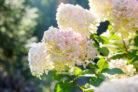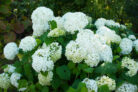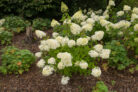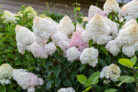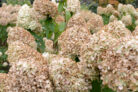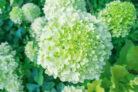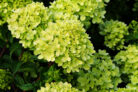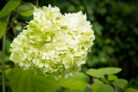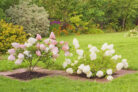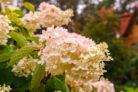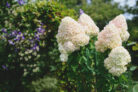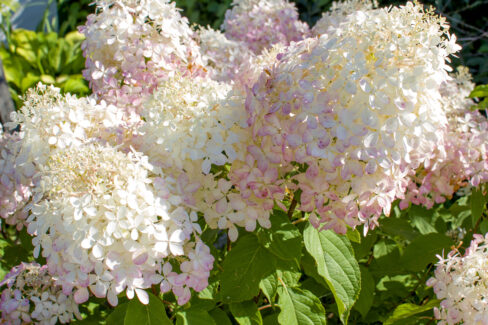
Panicle hydrangeas (Hydrangea paniculata) are some of the most low-maintenance beauties you can add to your garden. They aren’t very picky about where they live or what kind of soil they’re in, and they’ll even tolerate less-than-ideal spots. However, if you want those massive, show-stopping flower heads we all love, you’ll want to make sure their basic needs are met.
The Best Location
Whether you’re planting your panicle hydrangeas in the ground or keeping them in large containers, they crave light. While they can handle partial shade, a full-on shady corner isn’t going to do them any favors. Ideally, you want a bright spot with plenty of indirect light. They can handle direct sun, but keep in mind that they’ll get thirsty much faster, and the blooms might fade a bit sooner. One pro tip: try to find a spot protected from the wind. Those heavy flower clusters can easily snap if a strong gust catches them!
Soil Secrets
The secret to a thriving hydrangea is in the soil. These plants love a nutrient-rich, loamy, and loose soil. They prefer things slightly acidic (a pH of around 5.5) and aren’t big fans of lime. If you can, try watering your hydrangeas with rainwater—it’s naturally soft and lime-free, which they love. Most importantly, make sure the soil drains well. Panicle hydrangeas are pretty sensitive to “wet feet” (standing water), which can lead to root rot.
If you notice the leaves turning yellow, it’s usually a sign of a nutrient deficiency or poor soil conditions. Your first move should be to amend the soil to better suit the plant’s needs. If that doesn’t do the trick, it might be time for a change of scenery by transplanting it to a better spot.
How to Plant Your Panicle Hydrangea
Spring is the absolute best time for planting. Once the threat of frost has passed, you can prep your sunny or partially shaded spot. Here’s a quick step-by-step to get it right:
- Soak the root ball in a bucket of rainwater before planting.
- Dig a hole that is at least one and a half times the size of the root ball.
- Mix the soil you dug out with some acidic potting mix (like rhododendron or azalea soil), compost, and a bit of horn meal for nutrients.
- Gently remove the hydrangea from its nursery pot.
- Place it right in the center of the hole.
- Fill the hole back in with your enriched soil mix.
- Press the soil down firmly to remove air pockets.
- Give it a good drink, preferably with rainwater.
Finally, add a layer of mulch around the base of the plant. Leaves, bark mulch, or even grass clippings work great to help hold in moisture and keep the roots cool.