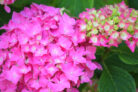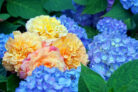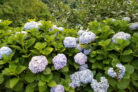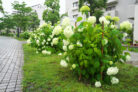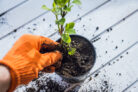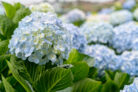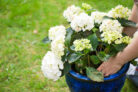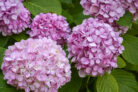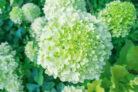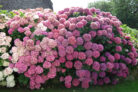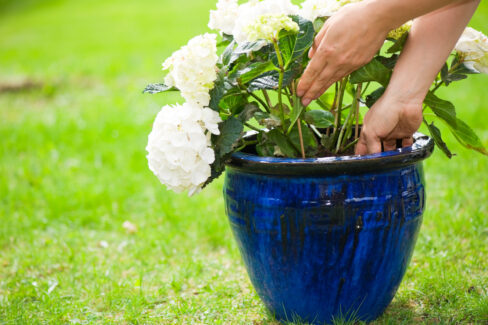
If you want your hydrangeas to really thrive, it all starts with the ground they’re standing in. When these beauties don’t get the right nutrients or the soil chemistry is off, you might end up with zero blooms or colors that look a little washed out. To help you get those Pinterest-worthy flowers, I’ve put together some tips on finding the perfect soil.
What kind of soil do hydrangeas love in the wild?
In their natural habitat, hydrangeas are usually found in dappled woodland settings. They love hanging out under the canopy of tall, deep-rooted trees. In these spots, the ground is naturally covered in decaying leaves or needles, creating a soil that’s rich in organic fibers and leans toward the acidic side. This “forest floor” vibe is exactly what almost every hydrangea variety craves.
Here’s the “cheat sheet” for what hydrangeas look for in soil:
- Well-draining texture
- High nutrient content
- Slightly acidic pH
- Consistently moist (but not soggy!)
Did you know the botanical name for hydrangea is Hydrangea? It actually comes from Greek and basically means “water vessel.” That tells you everything you need to know about their thirst! They need soil that stays moist like a healthy forest floor, but it also has to let excess water flow away. If the water sits still, you’ll run into standing water issues, which can quickly lead to root rot.
Choosing the right substrate for your garden
Most of us don’t have a pristine forest floor in our backyards, but don’t worry—there are great alternatives. You can find specialized hydrangea potting mixes or peat-based soils at your local garden center. Fun pro-tip: Rhododendron soil is also a fantastic match for hydrangeas because it hits those same acidity levels.
Speaking of acidity, the pH value of your soil is actually the “remote control” for your flower color. If you want to keep those pink blooms looking bright, you’ll want a pH around 5.5. For those stunning blue flowers, you need to drop the pH below 4.5. If you’re aiming for red or vibrant pink, you’ll want more alkaline soil with a pH above 6.0. You can easily test your soil at home and then use fertilizer or specific soil mixes to change your hydrangea’s color to your liking!