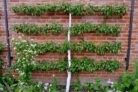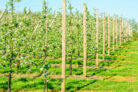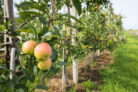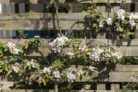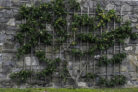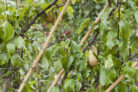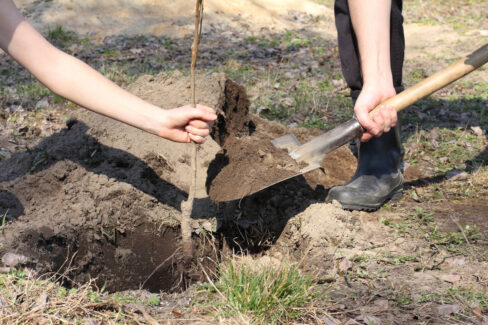
Trained fruit trees are a total game-changer for small backyards! They take up hardly any space but can still give you a massive harvest if you treat them right. When exactly you should get them in the ground depends a bit on the specific variety you’re dreaming of.
The Best Time to Plant Your Espalier
Most bare-root fruit trees do best when planted in the fall. Why? Because planting in autumn gives the tree a head start on growing new roots before the winter chill sets in. Just make sure you pick a day that isn’t freezing. I usually recommend planting in the late afternoon or evening so the roots don’t dry out in the sun. Mid-October is generally the sweet spot to start. If you’re buying container-grown plants, you’ve got more flexibility—they can go in the ground year-round. However, for more sensitive types like kiwi, apricot, or figs, it’s better to wait until spring since they really don’t like the frost.
Checking Your Soil
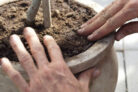
Before you start digging, you’ll want to get to know your soil by testing the pH level. If your soil is very high in calcium, you’ll need to take some extra steps for certain fruits like peaches or quinces. You can find simple test kits at any garden center. Another pro tip: if you have heavy clay soil, your trees will want to grow like crazy, so it’s best to choose a “weak-growing” rootstock. On the flip side, if you have light, sandy soil, go for a more vigorous rootstock to give the tree a boost.
Planting with a Trellis
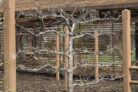
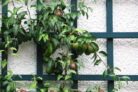
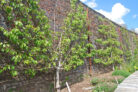
When you’re planting espalier fruit, a sturdy trellis or support system is a must. When it comes to tying them up, I love using rubber ties because they stretch as the tree grows. Wrap them around the branches and trunk a few times, but make sure they aren’t too tight—you don’t want to choke the tree! The goal is to train the branches to grow horizontally along the frame. Most fruit trees are sun-worshippers, so pick a bright spot. Before you buy, just double-check what that specific variety needs in terms of sun and soil. Once it’s in the ground, clear a “tree disk” about 3 feet wide around the base and keep it free of grass and weeds so your tree doesn’t have to compete for nutrients.