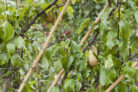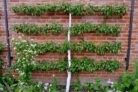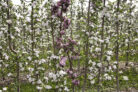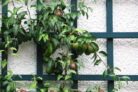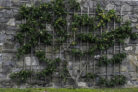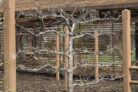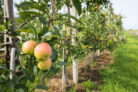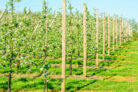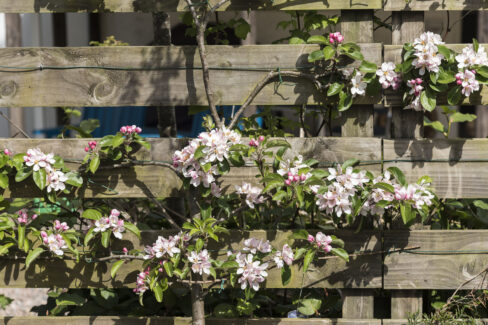
Espalier fruit trees are a total game-changer for small backyards! But they aren’t just space-savers; you can also use them as living privacy screens or unique edible hedges. If you’ve got a south-facing wall, try planting heat-lovers like peaches or figs there. The wall soaks up the sun and radiates warmth back to the tree, which helps the fruit ripen beautifully.
Quality Matters: What to Look For
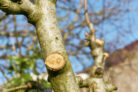
- Give the trunk a good once-over. You want to make sure it’s smooth, healthy, and free of any cracks or damage.
- Keep an eye out for uninvited guests! Check the leaves and bark closely to ensure the plant is free of pests and diseases.
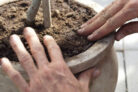
- If you’re buying a potted tree, take a peek at the root ball. You want to see roots reaching the edge of the pot, but they shouldn’t be circling tightly or looking “root-bound.”
Don’t Just Buy on Impulse
Before you head to the garden center, do a little homework on your yard’s sun exposure and soil type. It’s always a smart move to chat with the pros at your local nursery for advice tailored to your area. Also, don’t be afraid to ask about their return policy or warranties just in case the tree doesn’t take. Always go for the best quality you can find—it pays off in the long run!
Picking the Perfect Spot
Most fruit trees are sun-worshippers, so pick a bright spot. When you plant, create a “tree ring” (a clear circle of soil) about three feet in diameter around the base. Keep this area free of grass and weeds so your tree doesn’t have to compete for nutrients.
Support is Key
Espalier trees need a sturdy trellis or support system to find their shape. Pro tip: Install your trellis *before* you put the tree in the ground. Plant the tree about 8 inches away from the structure to give the roots plenty of breathing room. When it comes to securing the branches, I love using flexible rubber ties because they stretch as the tree grows. Wrap them around the branches and the frame a few times, but keep them loose enough so they don’t choke the wood. Your goal is to guide the branches to grow horizontally along the trellis.
Training Your Tree
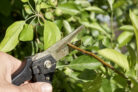
The “training” process starts the moment your tree is in the ground. Training an espalier takes a little patience—you’ll generally tie down one new horizontal level each year. Make sure to prune your tree in the summer; this encourages the growth of short “fruiting spurs,” which is where all that delicious fruit will pop up!
Low Espaliers (Step-overs)
Beyond using them as a hedge, privacy screen, or wall decoration, you can also try “step-over” trees. These are low-growing espaliers that stay close to the ground—perfect for lining a garden path or bordering a flower bed!