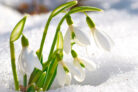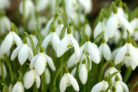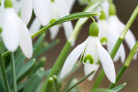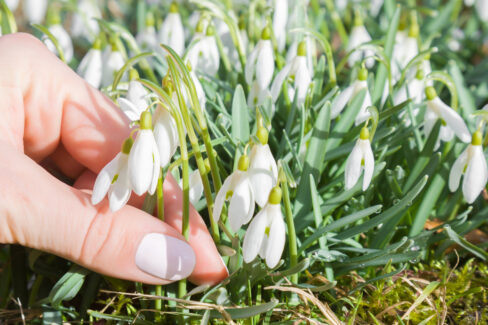
Snowdrops are the ultimate messengers of spring! Originally hailing from Asia, these little beauties have spread across Europe over the centuries. There are about 20 different species out there, and some are so rare they’re actually considered quite valuable.
These Early Bloomers are Protected
Even though you see them all over Europe, snowdrops are actually disappearing from some areas. There are a few reasons why they’re struggling:
- People picking the flowers (which means the plant can’t produce seeds).
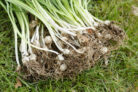
- People digging up entire clumps (which stops the bulbs from multiplying).
- Habitat loss—when people plant evergreens in spots where snowdrops usually thrive, the soil becomes too acidic for them to survive.
Because of this, these hardworking little flowers are now a protected species. It is strictly forbidden to dig them up or pick them in the wild. If you get caught, you could be looking at a hefty fine! Even international trade laws for bulbs and plants have gotten much stricter, so nurseries and garden centers have to follow specific rules when selling them.
How to Get Your Own Snowdrops (the Right Way!)
If you want to add these charming flowers to your garden, please never dig them up from the wild. Instead, head to your local garden center or a reputable seed shop—they carry plenty of varieties that are perfectly legal to buy.
You can often find pre-grown snowdrops in cute decorative bowls during the late winter. You can plant these directly into your garden beds or containers. Or, if you have a neighbor with a massive patch of snowdrops, they might be happy to thin them out and share a few with you!
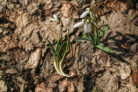
Once you plant them in a partially shaded to shady spot, snowdrops are pretty low-maintenance. They love being tucked under shrubs or mid-sized perennials where the soil stays cool and slightly moist. Over time, the main bulb will produce “offsets” (baby bulbs) that you can separate and replant in the spring.
Believe it or not, ants are actually great gardening assistants when it comes to propagating snowdrops! The seeds have a soft, sweet attachment that ants love. They carry the seeds back to their nests, eat the sweet part, and leave the rest behind. Those seeds then germinate, helping your snowdrop colony grow naturally.
One quick safety tip: whether you’re planting or handling them, remember that all parts of the snowdrop are toxic. It’s a good idea to wear gardening gloves and make sure to keep them out of reach of curious kiddos!