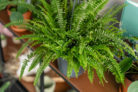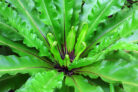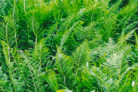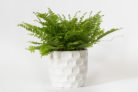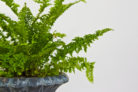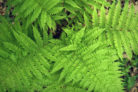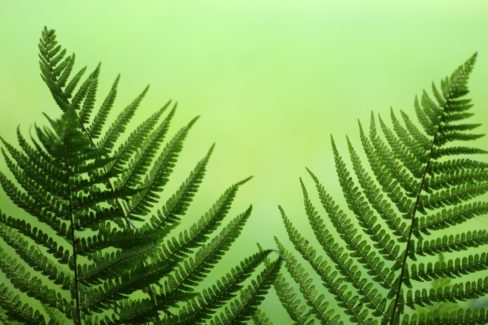
Ferns aren’t just some of the oldest plants on the planet—they’re also one of the most diverse groups out there. We’re talking about 12,000 different species worldwide! Because there are so many, trying to categorize them on a global scale can be a real headache. Luckily for us, things are a bit simpler closer to home, with only about 170 species commonly found across Europe.
Key Features to Look For
Since ferns reproduce via spores, you won’t find any flowers or seeds to help you identify them. This can make telling them apart a bit tricky if you don’t know what to look for. When you’re out on a nature walk or working in your garden, keep an eye on these specific details:
- The overall shape (outline) of the fronds
- How the fronds are divided (pinnation)
- The shape of the spores
- How the spores are arranged on the leaf
The easiest way to start identifying a fern is by looking at how its fronds are divided. In fact, the Hart’s-tongue fern is the only common species that has simple, undivided leaves, which makes it a great one for beginners to spot!
Once-Pinnate Species (Simple Division)
These ferns have fronds that are divided just once into individual leaflets:
- Hard Fern: Look for spores on the smaller, narrower fronds.
- Maidenhair Spleenwort: Easily identified by its reddish-to-brown stem.
- Holly Fern: Features distinct, prickly-looking tips.
- Common Polypody: Has a consistently green stem.
- Green Spleenwort: Similar to the Maidenhair, but with a green stem.
Twice-Pinnate Species (Double Division)
These ferns have leaflets that are divided a second time, giving them a lacier look:
- Male Fern: Known for its broad, sturdy leaves.
- Lemon-scented Fern: The base of the leaf tapers and becomes quite narrow.
- Crested Wood Fern: Features noticeably narrow fronds.
- Rigid Shield Fern: Has tough, leathery leaves with prickly tips.
- Marsh Fern: The leaves are small, soft, and delicate to the touch.
Thrice-Pinnate Species (Triple Division)
Finally, we have the triple-divided ferns, which are the “laciest” of them all. These are a bit rarer in Europe than the first two groups. A few standouts include the Lady Fern, which you can recognize by its unique, dash-shaped spore capsules. In contrast, the Alpine Fern has rounder spore capsules. You might also run into the small Brittle Bladder Fern, which loves to grow on rocky surfaces, the Broad Buckler Fern, or the massive, towering Bracken Fern.