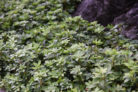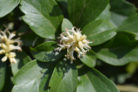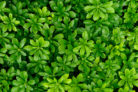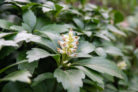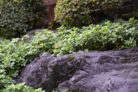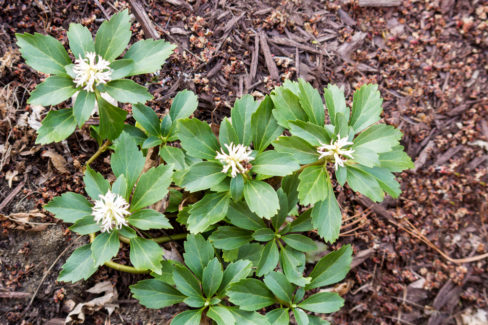
This evergreen groundcover from Asia is a real low-maintenance superstar. It’s not picky about soil, and once it’s settled in, it pretty much takes care of itself. The secret to success? It’s all about location, location, location. If you find the right spot for your Japanese Spurge, it’ll thrive and spread beautifully without you having to lift a finger.
Finding the Perfect Spot
Japanese Spurge, or *Pachysandra terminalis*, absolutely loves the shade. It’s the perfect candidate for those tricky spots under large trees or tucked beneath shrubs. As a true shade-lover, it’s evolved to thrive in low light and consistently moist conditions. In fact, it does its best work (photosynthesis) in the shadows; direct sunlight is actually its enemy and will turn those lush green leaves a sickly yellow. To keep your Pachysandra happy, look for soil that meets these criteria:
- Well-draining
- Low in nutrients (it’s not a heavy feeder!)
- No standing water (consider adding drainage if your soil is heavy)
- Loose, aerated soil at planting time
- A neutral pH between 6.5 and 7.5
- Low lime content
Getting Them in the Ground
If you’re planning to plant Japanese Spurge as a groundcover, you’ll want to dig individual holes for each plant with enough space for them to spread out. While you’re at it, loosen up the surrounding soil and clear out any weeds. If your garden tends to hold onto water, I’d recommend putting a little drainage—like coarse gravel or expanded clay—at the bottom of each hole. These plants hate “wet feet”; standing water causes root rot fast, which can lead to nasty fungal issues.
Before you tuck your young plants into their new home, mix in a little compost or horn meal. This gives the soil just enough of a boost. After that, you can put the fertilizer away—these plants are famous for getting by on very little.
A Few Care Tips
Even though *Pachysandra terminalis* is tough as nails, the youngsters need a little TLC at first. Make sure to water them regularly right after planting until they get established. Just remember: no puddles! Once they’ve settled in and you see new growth, they’re remarkably self-sufficient and rarely need extra water or fertilizer.
If you really want to give them a treat, you can scatter a little compost between the plants in the fall. But here’s a pro tip: if you just leave the fallen autumn leaves on top of the groundcover, you don’t even need to fertilize. The leaves will settle between the plants, decompose naturally, and feed the soil for you. Talk about a win-win!