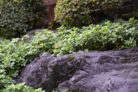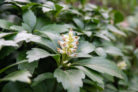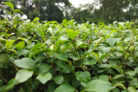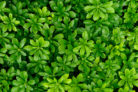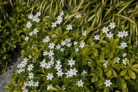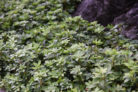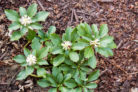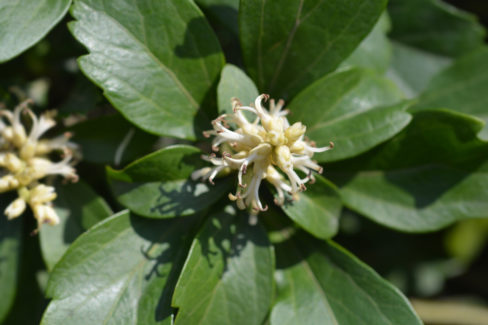
Japanese Spurge, or *Pachysandra terminalis*, is a total lifesaver for those tricky shady spots in your yard. It’s tough enough to handle city air, knits together quickly into a lush green carpet, and is incredibly low-maintenance. Getting the timing right when you plant is the first step to a happy, thriving groundcover.
When to Plant
You’ve got two main windows for planting Pachysandra: in the spring once the threat of frost has passed, or in the fall. I usually recommend avoiding the summer months; they’re just too hot and dry for these guys to get established. Remember, Ysander loves damp soil and plenty of shade to really feel at home.
Location and Soil
*Pachysandra terminalis* is a shade-lover through and through. It does best in full to partial shade—the less direct sun, the better. It’s the perfect solution for those dark “dead zones” under large trees or shrubs where grass and flowers refuse to grow. When it comes to soil, it’s not too picky, but it does have a few preferences:
- Loose, well-draining texture
- Consistently moist (but never soggy!)
- Moderate nutrient levels
- Slightly acidic pH
- Low lime content
If you’re dealing with heavy clay soil that tends to puddle, definitely mix in some coarse gravel or expanded clay to help with drainage before you start digging.
Getting Them in the Ground
Before you plant, give your soil a little boost by mixing in some compost or horn shavings. Space your plants about 12 inches (30 cm) apart—this usually works out to about 9 to 12 plants per square yard. This gives them enough room to breathe while they’re young. Don’t worry about the gaps; Pachysandra spreads via runners and will fill in those empty spaces before you know it. If you’re planting in the spring, keep a close eye on the water since the ground can be dry. In the fall, the soil under trees usually holds onto moisture better, so you won’t need to water quite as often.
Post-Planting Care
Once these plants are established, they are incredibly “set it and forget it.” Just make sure the youngsters get enough water until they’ve settled in. Once that green carpet closes up, the foliage actually keeps the soil underneath moist, so you rarely have to water. You can also skip the fertilizer! Pachysandra doesn’t need much food, and it actually gets most of its nutrients from the decomposing fallen leaves of the trees above it.