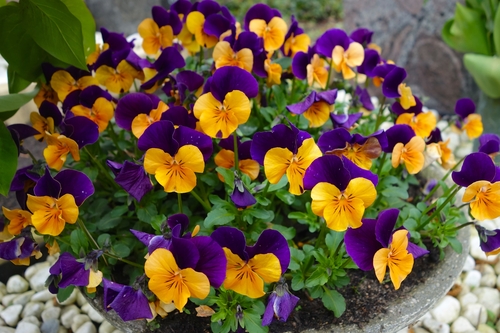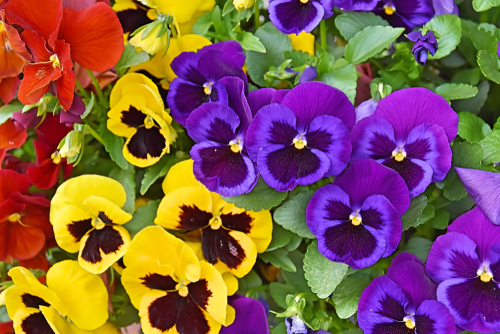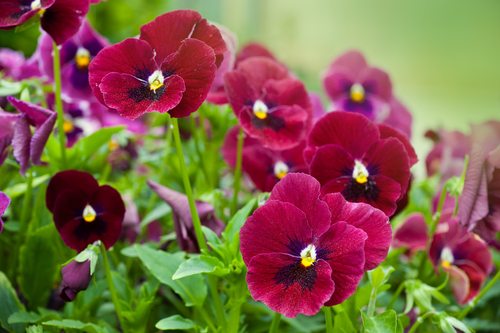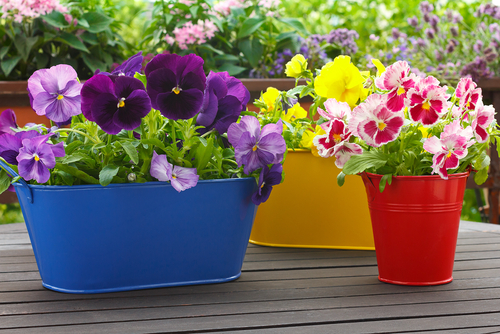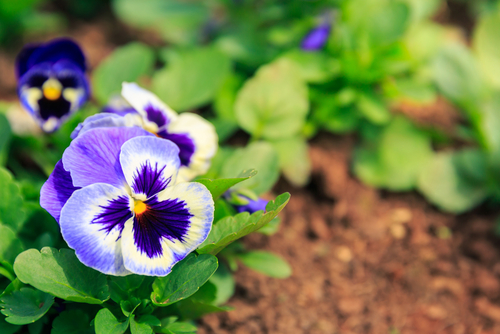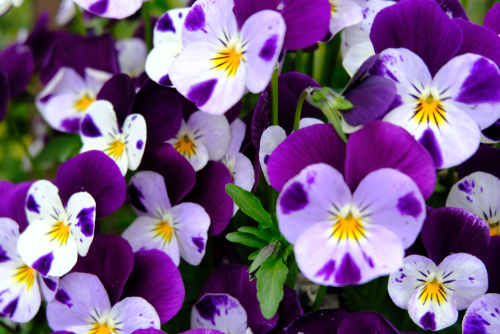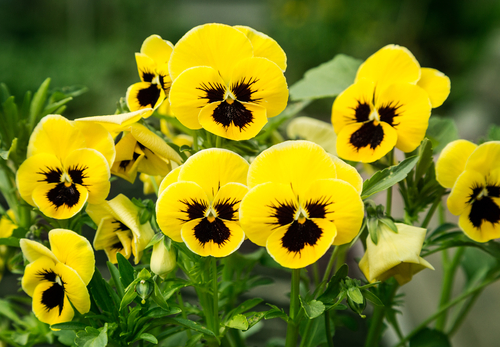
There are so many reasons why pansies are a staple in gardens everywhere. They boast an incredibly long blooming season, come in almost every color of the rainbow, and—best of all—they are super easy to care for. Whether you’re a pro or a beginner, these little beauties are hard to beat.
Finding the Perfect Spot
If you want your pansies to truly thrive, it all starts with the right location. They aren’t too picky about light and will do just fine in full sun or partial shade. What really matters, though, is the soil. Make sure they’re planted in nutrient-rich soil that drains well so they don’t get “soggy feet.”
Go Easy on the Fertilizer
As long as your soil is healthy, you don’t need to go overboard with feeding. When you’re first planting them, mixing in some horn meal or a slow-release organic fertilizer works wonders. Once the season is underway, a little liquid fertilizer mixed into your watering can every two weeks is plenty to keep them happy.
Deadheading is Key
While fertilizer helps, the real secret to a long blooming season is “deadheading.” You’ll want to pinch off wilted flowers as soon as they start to fade. By removing the old blooms, you’re telling the plant to stop making seeds and start making more gorgeous flowers instead!
Winter Protection
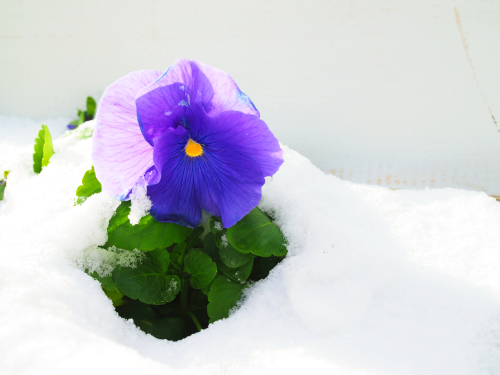
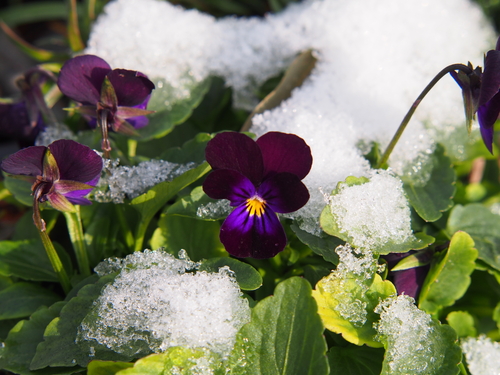
Pansies are tough, but they have their limits. If you live somewhere with cold winters but not much snow cover, the roots can actually freeze. On the flip side, too much winter sun can dry out the soil. To keep them safe, tuck them in for the winter starting in late fall with a layer of mulch, evergreen branches, or some garden fleece.
To keep your pansies looking their best, just remember these four tips:
- Pick a spot with nutrient-rich, well-draining soil.
- Don’t over-fertilize; a little goes a long way.
- Pinch off faded flowers regularly to encourage new growth.
- Give them a little extra protection during the winter months.