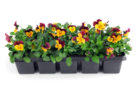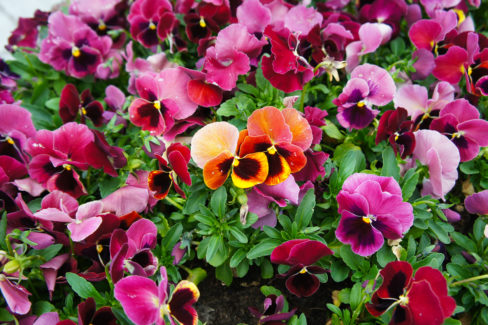
Whether they’re leafy greens or vibrant blooms, every plant in your garden needs a little “snack” now and then to stay healthy and put on a spectacular show. Even the charming little Johnny Jump Up (Viola cornuta) needs some extra nutrients to keep its energy up.
Fertilizing Johnny Jump Ups
Johnny Jump Ups are actually pretty low-maintenance. They have moderate nutrient needs, and you really only need to step in with fertilizer if you notice the flower production starting to slow down. A word of advice: don’t overdo it! If you give them too much fertilizer, they tend to get “leggy” and tall. When they grow too fast and thin, they can’t stand up to a heavy rainstorm or a stiff breeze.
Choosing the Right Fertilizer
You’ve got plenty of options here. Both mineral (synthetic) and organic fertilizers from your local garden center work great. But if you’re like me and love a DIY approach, you can make your own plant food at home. Here are some fantastic options:
- Well-aged, sifted compost from your own backyard pile.
- Horn shavings or meal (available at most garden shops).
- Manure from small pets or sourced from a local farm.
- Bokashi.
If you haven’t heard of it, Bokashi is a Japanese method that translates to “shredded and fermented organic matter.” You take your kitchen scraps—fruit, veggies, and plant bits—and treat them with “Effective Microorganisms” (EM), which are a mix of lactic acid bacteria, yeast, and photosynthetic bacteria. You let it ferment in a special Bokashi bucket, and after a while, you’ve got yourself some liquid gold for your garden.
One quick tip: If you plan on using your pansies or violas as edible garnishes for salads or cakes, stick to organic methods and avoid mineral fertilizers.
When to Feed Your Plants
For Johnny Jump Ups planted directly in the garden, give them a good feeding right at the start of the growing season in early spring, followed by smaller “snacks” while they are blooming. If you’re growing them in pots or containers, keep in mind that the nutrients in fresh potting soil usually run out after a few weeks. After that, you’ll want to mix a little liquid fertilizer into your watering can regularly. If you want to save yourself some work, try mulching around your violas. It provides a steady stream of nutrients, keeps the soil moist longer, and even protects the roots from frost in the winter.
Watering Wisdom
The golden rule for violas is to never let the root ball dry out completely, but also avoid “wet feet” (standing water). If they get too dry, the leaves will turn yellow and the flowers will stop popping up. How often you need to water really depends on:
- The size of the plant
- The outdoor temperature
- How much direct sun they’re getting
Naturally, you’ll be watering more during a summer dry spell than during a rainy week. The best way to tell? Use the “finger test.” Stick your finger an inch into the soil—if it feels dry, it’s time to give them a drink!