Many gardeners swear by “Blaukorn” (that classic blue granular fertilizer) for their privet hedges. But if you want to see real results, timing is everything. If you’re wondering when to fertilize and how to do it right, I’ve got you covered.
Does Privet Actually Need Fertilizer?
Here’s the good news: privet is naturally low-maintenance and pretty tough. If you’ve planted it in the right spot and your soil is decent, it’ll usually thrive all on its own without any extra help. However, if you do decide to give it a boost, synthetic granular fertilizers like Blaukorn are a popular go-to choice.
How Blaukorn Works as a Quick-Fix Fertilizer
Blaukorn is what we call a fast-release or “short-term” fertilizer. Unlike slow-release spikes or granules that feed your plants over several months, this stuff works fast and fades fast. Because it breaks down so quickly, you have to apply it multiple times a year, and you need to make sure it actually reaches the root zone to be effective.
The Best Time to Apply Blaukorn
Since privet hedges have two big growth spurts every year, you’ll want to time your fertilizing to match. These growth cycles usually happen in early May and again in late August.
To make sure the nutrients hit the roots exactly when the plant needs them, aim for these windows:
- Late April (just before the spring flush)
- Early August (to prep for the late-summer growth)
Pro Tip: Try to time your fertilizing right before a rainstorm, or give your hedge a really deep soak immediately after spreading the granules. This helps the fertilizer dissolve and travel deep into the soil where the roots can actually grab it.
Don’t Overdo It!
When it comes to synthetic fertilizers, more is definitely *not* better. It’s very easy to over-fertilize, which can actually “burn” your plants and do more harm than good. Stick to the twice-a-year schedule mentioned above—that’s plenty. Avoid adding any extra doses to keep your hedge healthy and prevent root damage.
Great Alternatives to Blaukorn
If you’re not a fan of synthetic blue granules, there are plenty of other ways to fertilize your privet. Some of my favorite alternatives include:
- Specialized evergreen or conifer fertilizer
- Organic options like compost or blood and bone meal
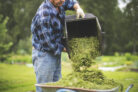
- A nice layer of organic mulch or garden clippings spread around the base of the plants