Privet is naturally super low-maintenance and easygoing. Honestly, fertilizing your privet hedge isn’t strictly necessary—but in some cases, a little nutritional boost can really help it take off. Let’s look at when it actually makes sense to give your privet hedge some extra love.
Generally, No Fertilizer Needed
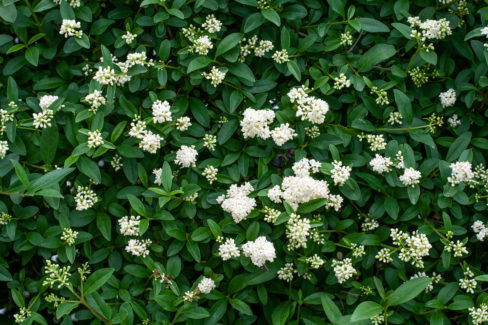
Privet is a superstar for hedges because it grows fast and creates a thick, dense wall of green. If you’ve got it in the right spot with decent soil, it’ll usually thrive just fine on its own. However, there are a few scenarios where a little fertilizer goes a long way.
Feeding Young Hedges
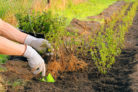
Fertilizing is most important when your hedge is still “the new kid on the block.” Young, freshly planted privet hasn’t developed a deep root system yet, so it can struggle to grab all the nutrients it needs from the soil. Giving it a little help now ensures your hedge grows in thick and lush right from the start.
The Best Fertilizers for Privet
When it comes to fertilizing your privet, you’ve got some great options:
- Horn meal or shavings,
- Mature compost,
- A good layer of mulch,
- Conifer fertilizer,
- Or a balanced granular fertilizer (like Blue or Green Grain).
Timing Is Everything
When you fertilize matters just as much as what you use. If you’re using a mineral granular fertilizer, timing is key for the best results: aim for twice a year, once in late April and again in early August. If you prefer slow-release fertilizers, compost, or horn meal, you only need to apply those once a year in the spring.
Mulch: The Ultimate Two-for-One
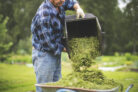
You can actually skip the fertilizer altogether if you keep a nice layer of mulch under your hedge. Using garden scraps like grass clippings, fallen leaves, or straw works wonders. As these materials break down, they slowly release nutrients into the soil every time it rains or you water. Plus, mulch is a lifesaver for keeping the soil from drying out during those hot summer spells.
Prepping the Soil
The best time to think about nutrients is actually before you even plant your privet hedge. Make sure your soil is nice and loose with good drainage. If you mix in some compost or horn shavings before the plants go in the ground, your privet will have a “snack pack” of natural nutrients to last for the first few years, meaning you won’t have to worry about extra fertilizing for a while.