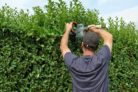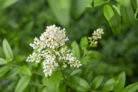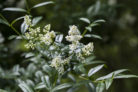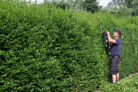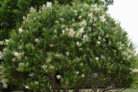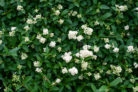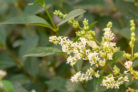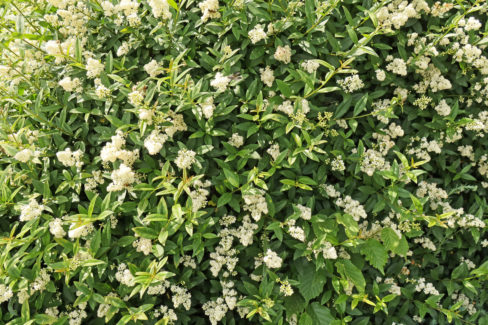
Privet (Ligustrum) is a total superstar in the garden, mostly because it grows like crazy. But if you want your privet to actually look like a lush, “can’t-see-through-it” wall rather than a leggy mess, regular pruning is non-negotiable. I’m going to walk you through exactly what you need to do to get that thick, dense foliage every gardener dreams of.
How Privet Grows
Privet is a fast mover, stretching out both vertically and horizontally in no time. If you’re growing it as a standalone shrub, density might not be your top priority, but for a privet hedge, privacy is the name of the game. To get that thick growth habit, you’ve got to pay attention to a few specific care and shaping techniques.
Why Privet Gets Leggy and Bare
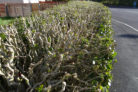
A lot of hedges start out looking great but eventually develop “bare legs”—those ugly thin spots, especially near the bottom. Usually, this happens for two main reasons:
- The lower branches aren’t getting enough sunlight.
- You aren’t pruning often enough.
The Sunlight Struggle
While privet isn’t too picky about where you plant it, it still needs a good amount of natural light to stay healthy. If the light can’t reach the whole plant, it won’t grow thick. The biggest mistake people make is pruning the hedge into a perfect rectangle. When the top is as wide as the bottom, it shades out the lower branches. The result? The bottom leaves drop off, and you’re left with bare sticks at the base.
The Secret: The Tapered Cut
To make sure those bottom branches get their fair share of Vitamin D, you should always prune your hedge into a “tapered” or trapezoid shape (wider at the bottom, narrower at the top). Avoid square shapes—they might look neat, but they’re a recipe for a thinning hedge.
Pruning is Your Best Friend
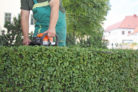
If you want a dense hedge, you’ve got to be brave with the shears. Regularly pruning your privet is the only way to force the plant to branch out and create new, thick growth.
The most important cut is actually the “radical” one right after you plant it. Cutting it back hard early on encourages the plant to start branching out from the base immediately. For the first few years, I recommend a “three-cut” schedule: once in the spring, again in August, and one last time in the fall. Once the hedge is established and looking full, you can usually skip that fall trim.