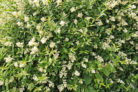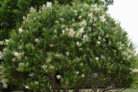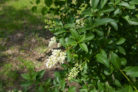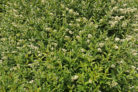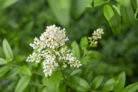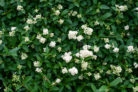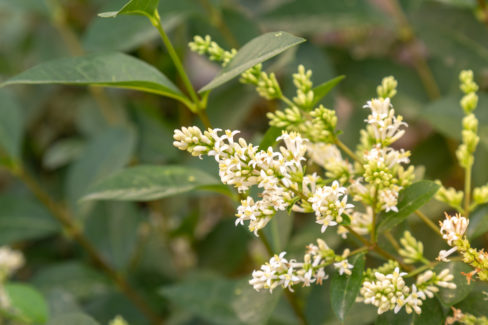
Privet (Liguster) is famous for being a speed demon in the garden, known for its thick, lush growth. But every once in a while, you might notice your hedge just isn’t putting in the work—it either slows down to a crawl or stops growing altogether. If you’re scratching your head wondering why, let’s dive into what might be going on and how to fix it.
Privet: Built for Speed
One of the main reasons gardeners love privet is its impressive growth rate. Generally, you can expect these plants to tack on about 20 inches of new length every single year. Left to its own devices in the wild, a privet can reach heights of up to 16 feet! So, if your hedge is stuck in neutral, something is definitely up.
Why Your Privet Might Be Stalling
It’s pretty rare for a privet to just quit growing, but when it happens, it’s usually due to one of these common culprits:
- Not enough sunlight,
- Soil that is either bone-dry or waterlogged,
- Messy fertilizing habits, or
- (Less commonly) a run-in with pests or disease.
Finding the Sweet Spot: Location and Care
To keep your privet happy, aim for a warm, bright, and sunny spot with soil that breathes well and drains easily. Whatever you do, avoid “wet feet” (standing water) and deep, full shade. Keep a close eye on your watering can, especially right after planting your new hedge. Fun fact: even during the winter, your privet needs a drink on frost-free days to stay healthy.
When it comes to fertilizing your privet, less is often more. To avoid “burning” the plant with too many chemicals, I always recommend sticking to organic options like compost or a nice layer of mulch. Over-fertilizing can actually do way more harm than good!
Pests and Diseases
Occasionally, a disease or a pest infestation can bring growth to a screeching halt. Usually, a healthy, vigorous privet can fend off these issues on its own without breaking a sweat.
However, if things look bad, take a peek at the roots for signs of munching. You might have an uninvited guest like the Black Vine Weevil. Their larvae love to snack on roots, which cuts off the plant’s “straw” for water and nutrients. If you find them, the best way to fight back is with nematodes—tiny beneficial worms you can find at your local garden center that will take care of those larvae for you.