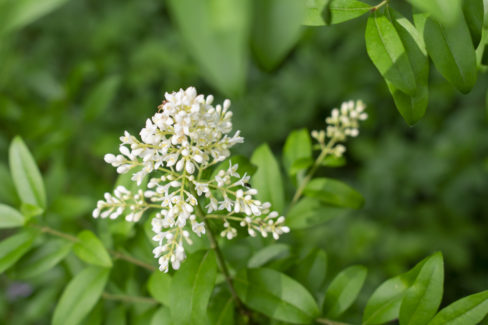
Privet hedges are famous for being fast, dense growers right out of the gate. In fact, they’re so hardy that you usually don’t even *need* to fertilize them under normal conditions. That said, if you want a truly lush, standout hedge, a little extra boost can go a long way.
Choosing the Right Fertilizer for Your Privet
When it comes to feeding your privet, you’ve got options. The main difference between fertilizers is how long they last and when you should apply them. Here are the most common (and effective) choices for any privet variety:
- Organic options like compost or horn meal
- Conifer fertilizer
- Slow-release fertilizers
- Quick-release fertilizers (like standard mineral granules)
Going Organic
If you’ve got a compost pile going in the backyard, you’re in luck! Mature compost is one of the absolute best things you can give your privet. If you don’t have a home setup, you can easily grab organic fertilizers like horn meal at your local garden center. The best part? You only need to spread these once a year in the spring. They break down slowly, feeding your hedge a steady diet of nutrients all season long.
Using Conifer Fertilizer
It might sound a little strange since privet isn’t a needle-bearing evergreen, but conifer fertilizer actually works wonders here. It’s packed with the exact nutrient mix privet needs for vibrant, healthy growth. Just follow the dosage instructions on the bag, and you’re good to go.
The “One and Done” Approach: Slow-Release Fertilizer
If you’re a “set it and forget it” kind of gardener, slow-release fertilizer is your best friend. Because it’s designed to last a long time, you only need to apply it once a year in the spring. It ensures your privet stays well-fed from the first bud until the winter dormancy hits.
Quick-Release Fertilizers (Mineral Granules)
If you prefer using quick-release granules (like Blaukorn or other mineral mixes), you’ll need to be a bit more strategic. These should be applied twice a year. If you’re using mineral granules, timing is everything. You want to hit that window about two weeks before the new growth starts. This gives the nutrients enough time to soak into the soil and reach the roots right when the plant needs them most.
For the best results, aim for late March and again in early August. This schedule aligns perfectly with the plant’s natural growth spurts.
Feeding Potted Privet
If you’re growing privet in containers, they need a little more hands-on care. Since pots have limited soil, nutrients wash out faster. I recommend using a liquid fertilizer every two to three weeks—just mix it right into your watering can. It’s also a great idea to give them a little nutritional boost right after repotting into a new container.
Start with Great Soil
While fertilizing helps achieve that thick, “privacy wall” look, you can actually skip the regular feeding if you prep your soil correctly at the start.
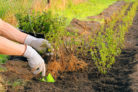
Before you even dig your holes, make sure you’ve picked the perfect spot. Mix some compost or horn meal into the soil before planting. If your soil is nice and loose with good drainage, those initial nutrients will often be enough to keep your hedge happy for years without any extra help!