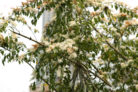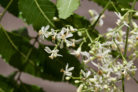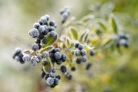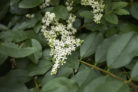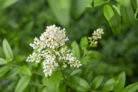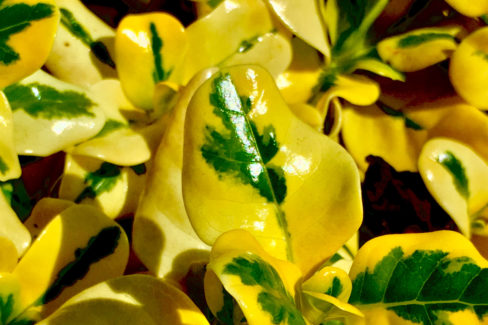
Privet (Ligustrum) is famous for being tough as nails, so it’s pretty rare to see it struggling with pests or diseases. More often than not, if your hedge starts looking a little funky, it’s usually down to a hiccup in its care routine. But what should you do if you notice those lush green leaves starting to turn yellow?
Possible Reasons Your Privet Leaves are Turning Yellow
If your privet is slowly losing its green glow and turning yellow, there are usually two main culprits behind the scenes:
- Over-fertilizing (loving your plant a little too much!)
- A run-in with leaf spot fungus.
The Danger of Over-Fertilizing
Privet is one of the most low-maintenance plants out there. It’s not picky about where you plant it, and it’s definitely not demanding when it comes to fertilizer. However, even though we mean well, overfeeding can actually backfire.
Too much fertilizer is a common cause of yellowing leaves. When it comes to feeding privet, the golden rule is: less is more. It’s much better to under-fertilize than to overdo it, as excessive nutrients can actually be fatal to the plant and are very hard to fix once the damage is done.
If you have well-draining, healthy soil, you really don’t need much extra help. A once-a-year application of compost, horn shavings, or a slow-release fertilizer is usually plenty. If you prefer quick-release options like mineral fertilizers, limit use to twice a year at the absolute most.
If you have privet in containers and suspect you’ve over-fertilized, your best bet is to repot it immediately into fresh, unfertilized soil.
Dealing with Leaf Spot Fungus
If those green leaves are turning yellow with distinct spots, you might be dealing with leaf spot fungus. This usually pops up during particularly wet, humid summers. The good news? A healthy privet can usually bounce back on its own. Just prune away the affected branches to keep it tidy. If the infestation gets really out of hand, you might need to rejuvenate the hedge by cutting it back hard or treat it with an organic or chemical fungicide to help it recover.