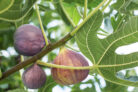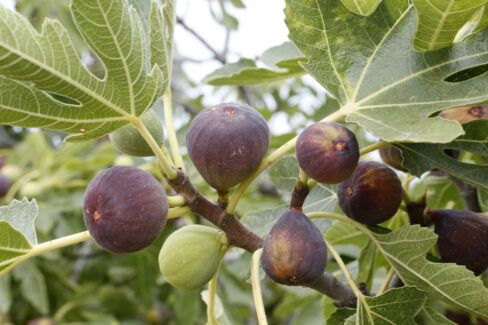
Fig trees love soaking up the sun and crave nutrient-rich soil to really thrive. To keep yours happy, you’ll want to provide a steady supply of nutrients from spring all the way through fall. There are a few different ways to tackle this depending on where your tree is growing.
Feeding Fig Trees in the Ground
If your fig tree is planted directly in your garden, it’s actually a bit lower maintenance. Since the soil naturally breaks down organic matter, there’s usually a decent supply of nutrients already available. However, a little extra boost goes a long way!
I recommend your first feeding in March right as the new growth starts to peek out. Give it a second round of fertilizer once you see the blossoms starting to form. It’s important to keep those nutrients steady until the fruit ripens; otherwise, the tree might get stressed and drop its flowers or fruit early.
By October, it’s time to cut back on the fertilizer. This lets the tree prep for winter dormancy so it doesn’t waste energy holding onto leaves or unripe fruit too long. Since figs can produce multiple crops, you might still see fruit on the branches in October. If you’re growing outdoors, it’s best to pluck off any unripe figs once the leaves start to fall.
Caring for Potted Figs
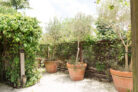
Figs do surprisingly well in containers and can even be grown as houseplants. Just keep in mind that potted figs are a bit more “hungry” because they have limited soil. Generally, they need a snack every two weeks. (Note: If you only bring your potted fig indoors for the winter, you can follow the same seasonal schedule as outdoor trees).
For year-round indoor figs, a liquid fertilizer every two weeks is usually the way to go. One big perk of keeping them in pots or indoors is that those late-season fruits actually have a chance to fully ripen! Just make sure to give your potted plant a little “vacation” from fertilizing for a few weeks every year so it can rest.
Choosing the Right Fertilizer
What should you use? Since we’re talking about something you’re going to eat, I always recommend sticking with organic options. A mix of mineral and organic fertilizers usually yields the best results.
For outdoor trees, try working some rock flour into the soil in the spring. Slow-release fertilizers like compost or well-aged horse manure are fantastic “set-it-and-forget-it” options. If your tree is a heavy producer, you can supplement with a liquid fruit and veggie fertilizer. Another pro-tip? Use stinging nettle tea (liquid manure)—it’s a great natural way to strengthen the plant’s overall health!