Since yews are native to our neck of the woods, these plants are incredibly well-adapted to our local conditions. They’re tough enough to thrive in all sorts of soil types and can even handle spots that are a bit nutrient-poor. However, if you want to give your plants a little extra “oomph,” the right fertilizer can really kick their growth into high gear. Here’s the lowdown on how to do it right.
When should you fertilize a yew?
Yews are deep-rooters. This means that once a tree is mature, it develops deep taproots that can pull nutrients from way down in the soil. In most cases, a fully grown tree will take care of itself just fine, even in subpar soil, so you don’t really need to worry about fertilizing it. Young plants, however, are a different story.
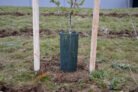
You can fertilize young yews to help speed up their growth. While the tree will eventually grow on its own if the spot is right, giving it a little boost helps it get established faster. Since yews are famously slow growers, this is a great strategy—especially if you’ve just planted a yew hedge and want that beautiful privacy screen to fill in as soon as possible.
What kind of fertilizer should you use?
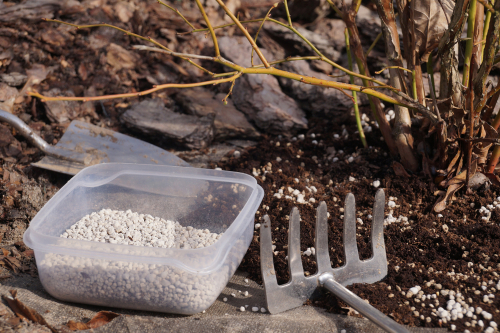
You can definitely find specialized yew fertilizer at your local garden center that’s tailored specifically to their needs. But honestly? You don’t have to spend the extra cash. Yews are actually pretty happy with several budget-friendly, natural alternatives.
Here are some great options you might already have on hand:
- Horn meal or horn shavings
- Compost
- Well-aged horse manure
- Dried leaves
Bark mulch: The secret weapon for yews
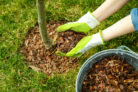
Bark mulch is another fantastic way to keep your yews happy. Using mulch actually improves the yew’s environment in two ways at once. First, mulching helps keep the soil airy and prevents waterlogging. You can use bark mulch, fallen leaves, or even grass clippings for this.
At the same time, bark mulch acts as a slow-release nutrient source. The beauty of mulch is that it breaks down gradually, feeding the tree over a long period. Plus, there’s a third bonus: mulching the area under your yew prevents weeds and other plants from moving in and stealing the nutrients for themselves.
Start fertilizing right at planting time
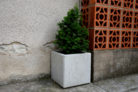
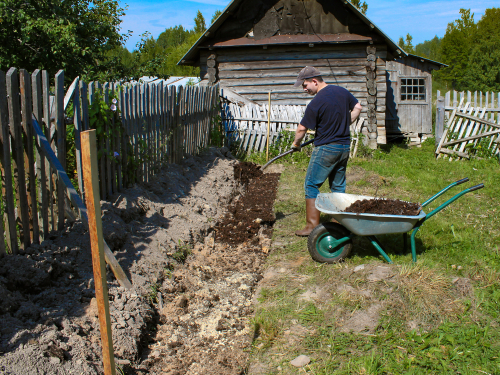
The best time to start is the day you put them in the ground. If you mix a little horn meal and compost into the planting hole, you’ll help the tree take root and encourage it to start reaching for the sky much sooner. After that, a good rule of thumb is to fertilize once a year in the spring. Just work a bit of your chosen organic material into the soil around the base. This is especially helpful for hedges to ensure they grow thick, lush needles. And don’t forget: yews in containers definitely need a regular feeding schedule too!