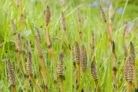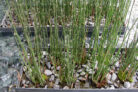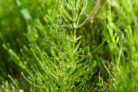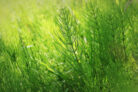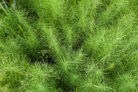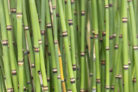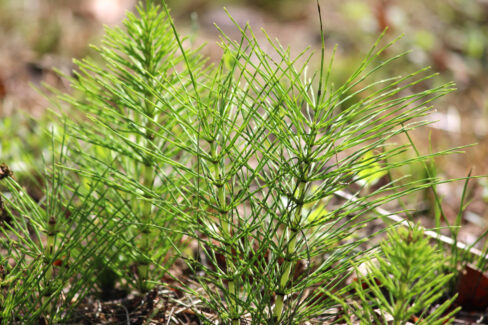
Even though it’s actually a pretty useful plant, field horsetail isn’t exactly a welcome guest in most gardens. Once it moves in, getting it to leave is a real challenge. As a gardener, you’ve got to get a little creative to reclaim your yard!
Why is field horsetail so hard to get rid of?
Field horsetail (often called scouring rush) grows incredibly tough rhizomes—those are branched, thick roots that just keep sending up new shoots. These roots dive deep into the earth and can spread across a huge area in no time. If you want to banish field horsetail from your garden for good, you have to be ruthless about removing those underground rhizomes.
What can I use to fight back?
Standard weed killers and sprays usually don’t do much against horsetail, and if they do, it’s only temporary. Thanks to those deep roots, it’ll be back before you know it. A more eco-friendly trick—that won’t hurt your other plants or local wildlife—is pouring boiling water over the plant. After that, grab a shovel and dig out as much of the root system as you possibly can.
Since horsetail loves acidic, nutrient-poor soil, you can actually “crowd it out” by regularly liming and fertilizing your garden. One quick warning: stay away from “old school” home remedies like salt or vinegar. Not only is using them as herbicides often restricted, but they can seriously wreck your soil quality and kill the plants you actually *want* to grow.
How do I get horsetail out of my lawn?
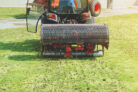
You can’t exactly go digging up and tilling your entire lawn without ruining it, so it’s tempting to reach for the chemicals. But you don’t necessarily have to! Regular mowing is your best friend here. By keeping the grass short, you force the horsetail to constantly use energy to regrow, which weakens the plant and prevents it from releasing spores. It might not disappear overnight, but it’ll stop it from spreading further.
The Quick Facts:
- Stubborn and very difficult to eradicate
- Herbicides rarely offer a permanent fix
- In lawns: Mow frequently to weaken it
- Pulled weeds can go in the compost bin
- Save your trimmings to make horsetail tea (great for pest control and plant health!)
- Spreads via deep underground rhizomes; every piece must be removed
- Reproduces via spores, so you’ll likely need several rounds of removal
- Change the soil conditions to make the environment less “friendly”
- If all else fails: Accept it and use it as a natural garden booster!
What should I do with the pulled weeds?
You can actually toss pulled or cut horsetail right onto your compost pile. Horsetail hates nutrient-rich environments, so it won’t thrive there. Just make sure the compost is fully broken down before you spread it back in the garden. Even better? Instead of tossing it, use it! You can brew a plant tea that’s amazing for protecting your roses from fungal diseases.
How do I make my garden unattractive to horsetail?
Horsetail isn’t picky—it grows in sun or shade—but it absolutely loves damp, heavy soil. Unlike most plants, it actually thrives in standing water. The looser and drier your soil is, the less horsetail you’ll see. That’s why regularly aerating and tilling the earth is one of the most effective ways to keep this “weed” at bay.
While you’re at it, pick out every bit of root you see to prevent new growth. Afterward, try planting some lupines. They work great as a “green manure,” loosening the soil and adding nutrients that make the area much less appealing to horsetail.
Ways to crowd out field horsetail:
- Regularly and thoroughly loosen the soil
- Add lime to acidic soil
- Improve drainage in wet areas
- Plant lupines as a cover crop
What is field horsetail actually good for?
Horsetail isn’t just for roses; it’s a powerhouse for the whole garden. A homemade tea or fermented “jive” (liquid fertilizer) acts as a natural strengthener for your plants. You can use a diluted tea to treat powdery mildew, for example. To make the tea, you steep the plant in hot water.
For a fermented version, soak fresh or dried horsetail in cold water for several days, stirring daily. You’ll know it’s ready when it stops foaming. Dilute it with water and use it to give your favorite plants a serious health boost.
Pro Tip: Field horsetail makes an excellent natural fungicide. Turn it into a tea or fermented liquid to keep your roses and other plants healthy and fungus-free!