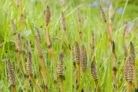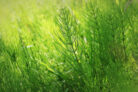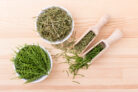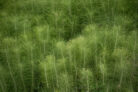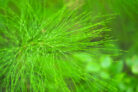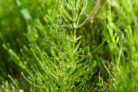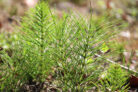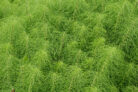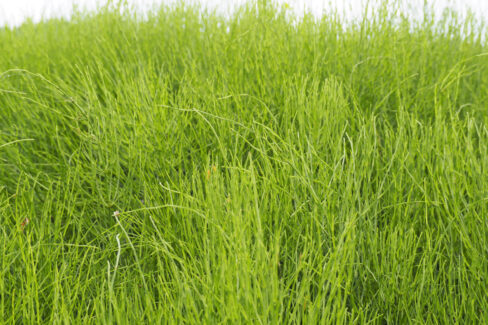
To some, it’s just a stubborn weed; to others, it’s a powerful natural remedy. I’m talking about Field Horsetail—one of the oldest plants on the planet. It goes by many nicknames that hint at its unique properties and history, and there is so much to learn about this prehistoric survivor.
The Quick Facts:
- Botanical Name: Equisetum arvense
- Common Names: Common horsetail, shavegrass, bottle brush, mare’s tail
- Light: Full sun to partial shade
- Soil: Moist to wet clay, compacted, prefers slightly acidic
- Size: Up to 20 inches tall
- Key Components: Silica, minerals, flavonoids, essential oils
- Uses: Herbal medicine, cosmetics, natural pesticide, fertilizer, and historically used for polishing pewter
Location and Soil
When it comes to where it grows, field horsetail isn’t picky at all. It’ll thrive in the shade, though it definitely prefers a sunny spot. The main thing it looks for is firm, moist soil—it even handles standing water like a champ. If your soil is a bit on the acidic side, it’ll feel right at home.
Planting Field Horsetail
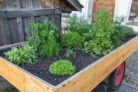
If you’re thinking about planting some, keep one thing in mind: this plant spreads like wildfire via underground rhizomes. To keep it from taking over your entire garden, I highly recommend planting it in a container or using a sturdy root barrier. Trust me, once it’s established, it is incredibly difficult to remove.
Care and Watering
Horsetail is about as low-maintenance and hardy as it gets. You don’t need to worry about fertilizer because it has very low nutrient requirements. Water, however, is a different story. It loves moisture and is actually considered an “indicator plant” for a high water table. Your main job is just making sure the soil never completely dries out.
Horsetail as a Natural Remedy
People have been using horsetail for its healing properties since at least the 16th century. It’s packed with silica, which is famous for supporting healthy skin, hair, connective tissue, and nails. A word of caution, though: if you’re foraging in the wild, be careful! It looks very similar to Marsh Horsetail, which is toxic. Pros know how to identify field horsetail by its thinner stems and shorter branches.
Horsetail for Plant Protection
Beyond its health benefits for humans, horsetail is a superstar in the garden. It’s a fantastic natural remedy for fighting off aphids and powdery mildew. Many gardeners also swear by it as a strengthening tonic for roses and other ornamental plants.
Quick Tip: Field horsetail is one of the oldest (medicinal) plants in the world!