If you’re planning on using field horsetail as a natural remedy or a DIY organic pesticide for your garden, being able to identify it correctly is a must. If you grab the wrong plant, you won’t just miss out on those healing benefits—it can actually be dangerous, as some horsetail varieties are toxic.
What exactly does field horsetail look like?
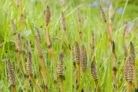
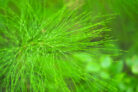
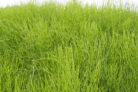
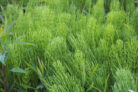
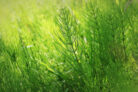
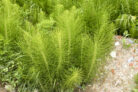
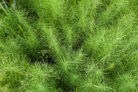
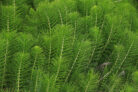
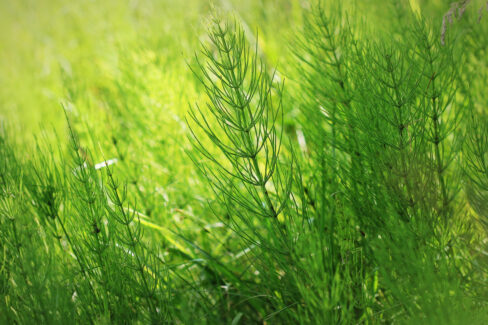
Field horsetail is one of the oldest plants on Earth, and honestly, it looks the part! With its needle-like branches, it has a bit of a prehistoric, bizarre vibe. You won’t find any flowers on this plant (which is also commonly known as “scouring rush” or “shavegrass”). Structurally, it’s pretty simple: just a main stem with whorls of side branches growing out in “tiers” or levels.
Which plants are look-alikes?
The biggest “imposter” you need to watch out for is marsh horsetail. Not only is it a close relative of field horsetail, but it looks incredibly similar. The best way to tell them apart initially is by where they live. While field horsetail loves sunny spots with moist soil, marsh horsetail prefers—you guessed it—marshes, bogs, and the edges of ponds where it’s properly wet.
Key differences between field and marsh horsetail:
- Preferred habitat (moist soil vs. standing water)
- Stem thickness
- Color of the spores
- The length of the side branches compared to the leaf sheaths
How can I be 100% sure I’ve found field horsetail?
Here is the golden rule: Field horsetail never has spore-bearing cones and green branches at the same time. They grow one after the other. If you see a plant that has both spores and green shoots simultaneously, you’re looking at the toxic marsh horsetail. Additionally, the stem of field horsetail is noticeably thicker (usually more than 3 mm) than its marshy cousin. If you cut it open, you’ll see it’s hollow and ribbed.
Where does field horsetail grow in the wild?
In the wild, you’ll usually find field horsetail in meadows or on farmland with compacted, damp soil. Marsh horsetail, on the other hand, sticks to swampy areas. If you want to play it safe and avoid any mix-ups, you can even plant your own field horsetail right in your garden!
Quick Summary:
- It’s easy to confuse with the toxic marsh horsetail.
- Spore shoots appear well before the green branches; they never grow at the same time.
- It loves meadows and fields.
- Marsh horsetail is particularly dangerous for grazing livestock.
Pro Tip: Only harvest the herb if you are 100% certain you’ve identified it correctly!