Just like our favorite garden flowers, many herbs put on a colorful show with blooms that are often just as tasty as their leaves. There aren’t many exceptions to this rule, but it does leave people wondering: what about Field Horsetail?
When does Field Horsetail bloom?
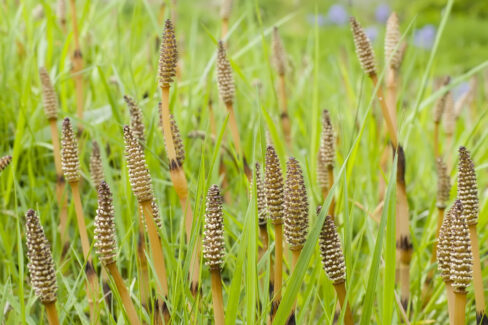
Here’s the thing: Field Horsetail is actually a relative of the fern. And just like ferns, it doesn’t “bloom” in the traditional sense. Instead of seeds and petals, horsetails and ferns reproduce using spores, much like mushrooms (though they aren’t related to fungi at all!). When the sporangia (the little spore cases) are visible, they can look a bit like flower buds, which is why you’ll sometimes hear people talk about a “blooming season” for this plant.
What does a Horsetail “flower” look like?
The spores on Field Horsetail grow on what we call fertile shoots. These pop up and disappear before the main green plant even starts to grow, and they look totally different from the feathery green stalks we see later in the spring. These fertile shoots are yellowish-brown, unbranched, and topped with a spore-bearing cone that looks a lot like a tiny ear of grain. It’s easy to see why someone might mistake them for a unique kind of flower!
Can you harvest the spore shoots?
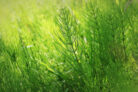
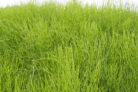
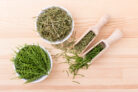
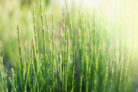
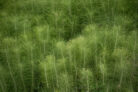
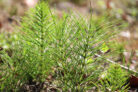
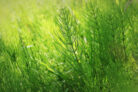
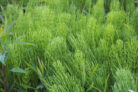
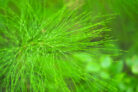
You’ll want to skip the harvest for these brownish spore shoots; their only job is to help the plant reproduce. Instead, be patient and wait for the sterile green shoots to arrive. You can harvest those from May through August to use fresh or to dry for later. You’ll recognize the right ones by their bright green color and pine-tree-like branches. For the best quality, try to pick them while they’re still young and vibrant.
Why is it sometimes called “Pewter Grass”?
Back in the day—we’re talking grandma’s generation and earlier—Field Horsetail was the go-to scrub brush for cleaning pewter, which earned it the nickname “Pewter Grass” (or *Zinnkraut* in German). The secret is the high silica content in the plant, which acts as a natural abrasive. That same silica is why it’s been used in traditional remedies for ages and why organic gardeners love it today as a natural fungicide to protect plants like roses from mildew.
The Quick Rundown:
- Field Horsetail doesn’t actually produce flowers.
- The fertile shoots with spore cones can look like “blooms” to the untrained eye.
- This “spore bloom” happens in early spring before the green foliage appears.
- Don’t harvest the brown spore shoots; wait for the green ones!
Quick Tip: While the spore-ripening stage might look like a flowering phase, Field Horsetail stays true to its primitive roots and never actually blossoms.