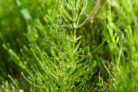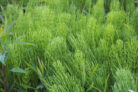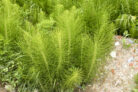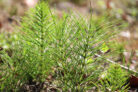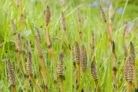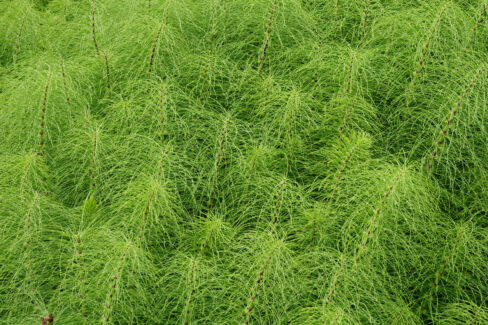
It’s hard to find a backyard garden that doesn’t feature at least one rose bush. But as much as we love the “Queen of Flowers,” she can be a bit of a drama queen when it comes to pests and diseases. The good news? You don’t need a cabinet full of harsh chemicals to keep your roses happy. Horsetail (also known as *Equisetum* or scouring rush) is a natural powerhouse that can work wonders for your garden.
What makes horsetail so special?
The secret ingredient in horsetail is silica. Just like silica helps humans with stronger hair, skin, and nails, it does something very similar for plants. It strengthens the cell walls and boosts the plant’s overall “immune system.” When a rose bush has reinforced cell structures, it becomes a much tougher target for pests and diseases. This is especially helpful against powdery mildew, which is a common headache for rose lovers.
How do I make horsetail tea (decoction)?
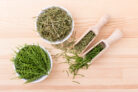
A horsetail decoction is essentially a “hot brew.” You can use fresh stalks or dried horsetail for this. Start by soaking the herbs in rainwater for about 24 hours, then bring the mixture to a boil and let it simmer for about 30 minutes. Once it has cooled down, strain it and dilute it with water at a 1:4 ratio before using it on your plants.
How do I make horsetail liquid fertilizer (fermented tea)?
If you have a bit more time, you can make a fermented liquid fertilizer (often called “jauche”). This is a cold process. Mix about two pounds of fresh horsetail with roughly three to four gallons of rainwater in a large bucket. If you’re using dried herbs, about half a pound will do the trick. Give the mixture a good stir once a day.
Let it sit until it stops bubbling—that’s your sign that the fermentation process is finished. This usually takes a few weeks. When you’re ready to use it, dilute it at a 1:5 ratio with water.
Which method should I use?
Both methods are fantastic for protecting your plants. The main difference is time and effort. The fermented tea doesn’t require any cooking, but it takes a few weeks to “cook” on its own. If you’re dealing with a sudden outbreak and need a remedy *right now*, the boiled decoction is your best bet since it’s ready to go as soon as it cools.
How horsetail protects your garden:
- Active Ingredient: Silica
- Strengthens cell structure and natural defenses
- Wards off pests like aphids and mites
- Protects against fungal issues (powdery mildew, scab, mold, and black spot)
- Works great as a nutrient-rich natural fertilizer
Pro Tip: Use the fermented horsetail tea to water the roots of your roses for a steady health boost. If you’re already seeing mildew or pests on the leaves, use the boiled decoction in a spray bottle to treat the foliage directly.