Sometimes people get a little confused about what’s going on beneath the surface with a Field Maple. To help your tree truly thrive, it’s super helpful to understand its “heart-shaped” root system. Once you know how these roots behave, you can give your tree the perfect home.
Understanding Field Maple Roots
The Field Maple (Acer campestre) develops what gardeners call a heart-shaped root system. Here’s how it works: it starts by sending down taproots deep into the earth. After that, it branches out horizontally with a dense network of lateral roots. When you look at the overall structure, it actually resembles the shape of a heart—which is exactly where the name comes from!
To get those roots growing strong, you’ve got to meet the plant’s needs. The actual size and depth of the root system depend heavily on your specific backyard conditions. Interestingly, research shows you can actually influence how these roots develop based on the soil you provide. Many savvy gardeners use this to their advantage by prepping the ground with specific substrates to encourage the best root structure possible.
Here is a quick look at how deep Field Maple roots typically go:
- In standard garden soil: up to 6.5 feet deep
- In heavy clay: about 3 feet deep
- In light gravel: about 2 feet deep
Giving Your Tree the Right Ground
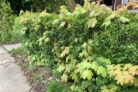
As you can see, the soil type in your yard dictates how that heart-shaped root system develops. Because of these depths, Field Maples aren’t always the best choice for steep slopes or hillsides without a bit of extra planning. Your best bet is to plant your Field Maple as a “specimen tree” in a spot where the roots can head straight down without hitting obstacles, allowing them to soak up plenty of moisture. They also make a fantastic Field Maple hedge if you’re looking for some natural privacy.
Just a pro tip: make sure you leave enough distance between the tree and any underground pipes or foundation walls. You want to protect the roots from damage, and you definitely don’t want the roots messing with your plumbing! Giving the roots plenty of space ensures the tree stays healthy and hydrated. Don’t forget to fertilize the root zone occasionally, too—using the right nutrients is the secret to optimal Field Maple growth.