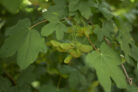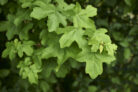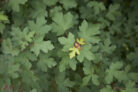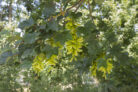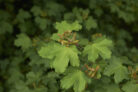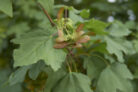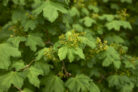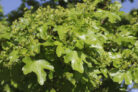
The Field Maple is one of the most versatile trees you’ll ever come across. One of its coolest traits is how it adapts its size to its surroundings. Depending on where you put it, this tree can look totally different! Here’s the lowdown on how big they get and how much elbow room they actually need.
Just how big does a Field Maple get?
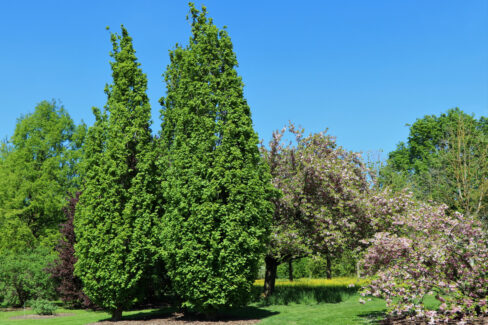
When it comes to height, the Field Maple (or *Acer campestre* if you want to get fancy) is a bit of a wild card. It can stay as small as 10 feet or tower up to 65 feet tall. While that might make it sound unpredictable, once you understand what drives its growth, you can plan your planting like a pro. You can even steer its growth to fit your specific vision.
Here’s what helps these trees reach for the sky:
- Nutrient-rich soil with plenty of room for roots to go deep
- Lots of open space around the tree
- A spot with full sun or partial shade
- Just the right amount of moisture
Understanding the growth pattern
Field Maples are fast movers in their early years. If the conditions are right, they can put on about 20 inches of new growth per year! However, if they’re crowded by other trees—like you’d see in a dense forest—they often stay at a shrub-like height.
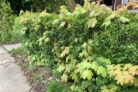
This means if you want a majestic shade tree, you should plant it as a “specimen” (all by itself) with plenty of space. On the flip side, if you’re planting a hedge, the close proximity of the plants naturally stunts their individual height, which is exactly what you want for a privacy screen.
You also have total control through soil quality and proper pruning. You can easily trim a Field Maple back to your desired height, and it’ll bounce back with fresh new growth. Just a quick tip: time your pruning so you don’t lose too much sap. The best window is in early spring before the leaves bud out. Alternatively, you can grab your saw in the fall once the leaves have dropped but before the deep freeze of winter sets in.