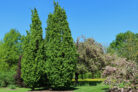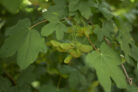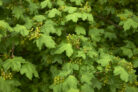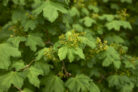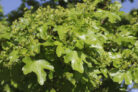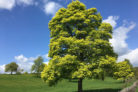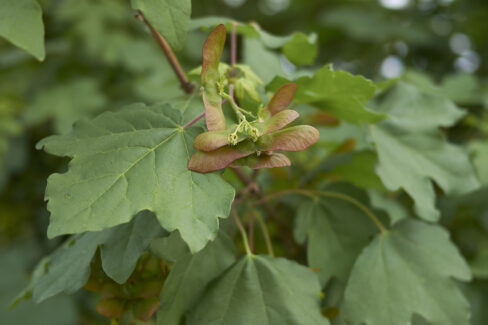
Back in 2015, the Hedge Maple (or Field Maple) was celebrated as the Tree of the Year, and it’s easy to see why! With its stunning foliage that looks great in the summer and turns heads in the fall, it’s a favorite for many home gardeners. If you’re thinking about adding one to your landscape, here’s the lowdown on how it grows, what makes it special, and how to keep it happy.
Botanical Profile of the Hedge Maple
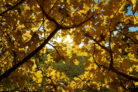
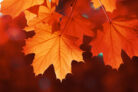
The Hedge Maple is a classic member of the maple family and is a common sight in many of our neighborhoods. It’s super easy to identify thanks to those iconic maple leaves. As autumn rolls around, the foliage dries and puts on a spectacular color show before slowly drifting to the ground. That gorgeous fall display is exactly why so many people love planting them in their yards.
- Botanical Name: Acer campestre
- Common Names: Hedge Maple, Field Maple
- Plant Family: Sapindaceae (Soapberry family, formerly Aceraceae)
- Growth Habit: Can grow as a large shrub or a multi-stemmed tree
Growth Habit and Size
When you plant a Hedge Maple, you’re getting a lush, twiggy tree that fills out beautifully. Once it gets established, it’s a pretty fast grower, adding quite a few inches every year. These trees can eventually reach heights of about 50 feet. Just a pro tip: when you’re picking a spot, make sure to give it plenty of elbow room away from other trees or your house walls. This beauty needs space to really reach its full potential!
- Height: Can easily reach 50 feet (15 meters)
- Width: Spreads anywhere from 3 to 25 feet wide
- Annual Growth: Typically grows between 12 and 20 inches per year
- Trunk Size: Can reach a diameter of up to 3 feet
Leaves and Blooms
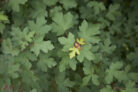
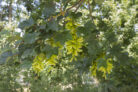
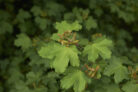
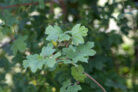
The Hedge Maple features those classic lobed leaves that make maples so recognizable. Usually, they’re a crisp green, but come fall, they transform into vibrant shades of yellow or even bright orange. This full, leafy canopy is a total showstopper in gardens and parks alike. Plus, these trees are known for being tough and low-maintenance, which is a huge win for any gardener.
- Leaf Shape: Distinctly lobed
- Leaf Color: Green in summer; yellow or orange in the fall
- Flowers: Small, yellow-green blooms appear in May
Ways to Use Hedge Maple
Believe it or not, the Hedge Maple has a history of being used for food! In the past, the leaves were sometimes cooked up as a vegetable or used as fodder for livestock. The best part? The leaves and flowers are completely non-toxic. You can enjoy this tree in your yard without worrying about any hidden risks to your family or pets.
Root System and Soil Needs
The Hedge Maple is a bit of a hybrid when it comes to its roots—it’s not strictly a taprooter or a shallow-rooter. Instead, it develops what we call a heart-shaped root system. It sends down deep structural roots while also weaving a dense network of finer roots closer to the surface. This makes the tree pretty adaptable to different environments.
While it’s flexible, your Hedge Maple will be happiest in nutrient-rich, well-draining soil. It loves consistent moisture, but definitely doesn’t like “wet feet,” so make sure the area doesn’t have standing water.