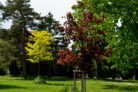
When you think of a big, majestic maple tree, you probably imagine it anchored deep into the earth. But if you’ve ever spent much time around them, you’ve likely heard that maples are actually “shallow-rooted.” It sounds a bit counterintuitive, doesn’t it? How can a massive tree stay upright without deep roots? Let’s dig into how these root systems actually work and what you need to know for your own backyard.
Maples are mostly shallow-rooted
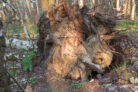
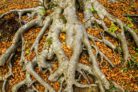
For the majority of maple species, the root system likes to hang out right near the surface. We’re talking just 2 to 10 inches deep before those roots start branching out sideways. From these main horizontal roots, a web of tiny, fibrous feeder roots grows upward to soak up nutrients from the top layer of soil. What the maple lacks in depth, it definitely makes up for in width!
One thing to keep in mind: maples are notoriously grumpy about being moved. Because their root systems spread so far and wide, it’s almost impossible to dig one up without damaging those delicate roots. This can leave the tree vulnerable to diseases, like the dreaded Verticillium wilt. My advice? Pick a “forever home” for your maple right away. If you absolutely have to transplant one, try to do it before the tree hits its fifth birthday.
Adapting to the soil
The cool thing about maples is how adaptable they are. While they prefer the shallow life, they can break the mold if they need to. Over time, many maples develop a few deep roots or even a central taproot. This creates what we call a “heart-shaped” root system—a mix of shallow and deep growth.
The soil quality really dictates how this goes. If your soil is dry or nutrient-poor, the tree will send roots deeper (up to 5 feet!) searching for a drink. On the other hand, if the soil is super compacted or hard, the roots have no choice but to stay near the surface and spread out even further.
Note:
The Sycamore Maple is the rebel of the family—it’s actually considered a deep-rooter. If you’re planting one of these, make sure the soil isn’t too compacted so those roots can head straight down.
How to manage root growth
Before you get started with planting, make sure to loosen the soil nice and deep. This prevents waterlogging and gives the roots a clear path to grow. Here’s a pro tip: don’t spoil your tree with daily watering. If you water too often, the roots get “lazy” and stay at the surface. If you stretch your watering intervals to every 1–2 weeks, you’ll encourage the tree to grow deeper roots to find its own water.
Since maple roots love to explore, they can sometimes bully other plants in your garden. To keep them in check, you might want to consider a root barrier:
- Install a barrier at least 20 inches deep.
- Let it stick up about 2–4 inches above the soil line.
- Use heavy-duty, non-degradable material (at least 2mm thick).
- Check with your local garden center for the best materials.
Tip:
Want to learn more about these beautiful trees? Check out our maple profile for the scoop on everything from blossoms to seeds.