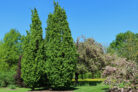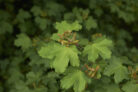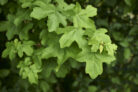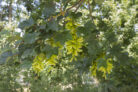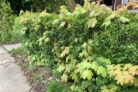
Dreaming of a lush hedge made of Field Maple but don’t want to break the bank? You’re in luck! You can actually propagate these beautiful trees yourself quite easily. Whether you’re looking to save some cash or just love the satisfaction of growing things from scratch, here’s a guide on how to get those little Field Maples started.
Harvesting and Prepping Your Seeds
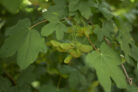
In the fall, Field Maples produce those iconic little winged fruits (you might know them as “helicopters” or “propellers”). Once they’re ripe, they’ll catch the wind and scatter all over the place. You can simply gather them up from the ground—just make sure the wings have turned brown, which means they’re ready. However, you can’t just toss them in the dirt right away; they need a little “wake-up call” first.
Field Maple seeds are naturally dormant and won’t sprout without a process called stratification. This is just a fancy gardening term for exposing seeds to a cold period to mimic winter. You can easily do this in your kitchen: fill a plastic bag with some damp sand, pop the seeds in, and leave the bag open. Stick it in the fridge for about six weeks. After that chilly nap, they’ll be ready to grow!
How to Sow Your Field Maple Seeds
Before you put your seeds in the soil, it’s a great idea to give them a good soak. Grab a thermos and fill it with lukewarm water. Drop the seeds in and let them soak for about 24 hours. This ensures they are fully hydrated and ready to burst into life.
You can use either of these for soaking:
- Chamomile tea (it has mild anti-fungal properties!)
- Plain lukewarm water
Once they’ve finished soaking, plant them immediately so they don’t dry out. Fill some starter pots with high-quality potting soil, place the seeds inside, and find a bright, warm spot for them. If you have a mini indoor greenhouse, even better! Keep the soil consistently moist, but be careful not to overwater—Field Maples really don’t like “wet feet” or standing water.
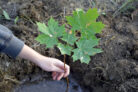
Before you know it, you’ll see those first little sprouts poking through. Once your Field Maples have grown big enough and look sturdy, they’ll be ready for you to transplant them to their permanent home in your yard. Happy planting!