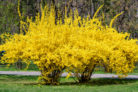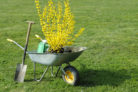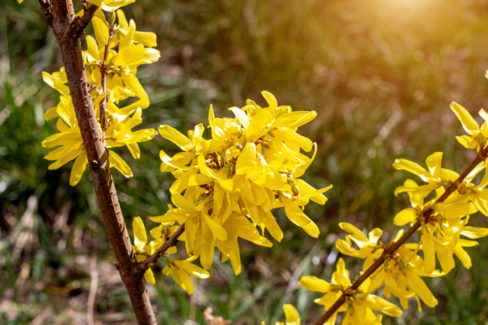
It’s no surprise that forsythia is a superstar in American backyards come springtime. Those bright yellow blooms are the ultimate sign that winter is finally over! But while we all love the flowers, most of us don’t give much thought to what’s happening underground—at least not until it’s time to move the shrub or get rid of it. So, what do you need to know about forsythia roots?
Can you prune forsythia roots?
Believe it or not, forsythia is actually pretty tough when it comes to root pruning. In fact, sometimes it’s actually necessary! If you’re growing your forsythia in a container or training one as a bonsai, trimming the roots helps keep the plant compact and healthy. Just a quick tip: always use sharp, sterilized tools. You want clean cuts to prevent any nasty bacteria or fungi from hitching a ride into the plant.
Do forsythia roots need special care?
The good news is that forsythia roots are pretty low-maintenance. As long as you pick a sunny spot with soil that stays slightly moist, they’ll be happy campers. The one thing they absolutely hate? Soggy feet. If the soil doesn’t drain well and stays waterlogged, those roots can start to rot pretty quickly.
How do you remove forsythia roots?
If you’re planning on transplanting an old forsythia or clearing it out of your garden entirely, get ready for a workout! Over the years, these roots can become incredibly thick and strong. Your best bet is to dig out the root ball as much as possible. If you hit a stubborn spot where you can’t dig any further, don’t be afraid to use a saw or an axe to cut through the heavy roots.
If you’re just moving the shrub, don’t worry—it’s tough enough to handle a little rough treatment and will likely settle into its new location just fine. However, if you’re trying to get rid of it, be warned: any root fragments left in the dirt can actually sprout new shoots. You might end up propagating a new plant by accident!
Quick Takeaways:
- Older plants develop very thick, powerful root systems.
- Removing every bit of the root system is hard work.
- Leftover root fragments in the soil can grow back into new plants.
- Root pruning is safe when repotting.
- Pruning is essential for container-grown plants and bonsai.
Pro Tip: Forsythias are surprisingly stubborn! If you want one gone for good, make sure you dig out every last bit of the root system, or you’ll likely see little yellow blooms popping up again next year.