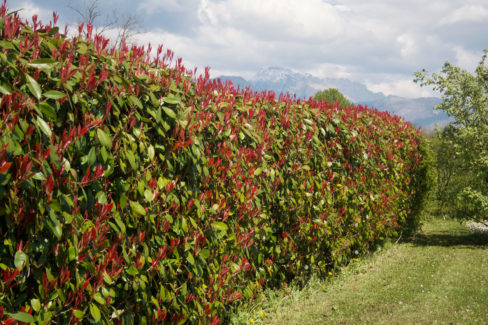
With those glossy evergreen leaves, the Photinia (often called Red Tip Photinia) is a real showstopper in any backyard. But as gardeners, we usually don’t give the roots a second thought until the shrub starts looking a little sad. The truth is, those roots are the foundation for everything happening above ground!
Can you prune Photinia roots?
If your Photinia is staying put in its usual spot in the garden, you should leave the roots alone. However, if you’re transplanting it, some root disturbance is pretty much unavoidable. Your goal is to keep the damage to a minimum—be especially gentle with those tiny feeder roots—to help your shrub bounce back quickly from the move.
If you’re growing a Photinia in a container, you’ll want to repot it every two to three years. This is the perfect time to check for pests, rot, or damage. Go ahead and prune away any mushy, diseased, or broken sections. You can even give healthy roots a light trim if you’re trying to keep the plant’s size in check.
Do Photinia roots get sick?
Unfortunately, diseases don’t just hit the leaves; they can attack the roots, too. The biggest culprit is root rot, which usually happens when the soil stays soggy for too long. Constant moisture can also lead to fungal infections underground. And don’t forget about pests! Vine weevil larvae love to hang out in the root zone and snack on your plant’s lifeline.
How can I encourage healthy root growth?
You can set your Photinia up for success right from the start when planting. If your soil is heavy or compacted, mix in some sand, fine gravel, or perlite to loosen things up. This improves drainage and keeps “wet feet” (standing water) at bay. Adding a bit of compost to the planting hole is also a great way to provide a steady supply of nutrients.
Quick Takeaways:
- They are shallow-rooted plants.
- Ideal soil: Fresh to slightly moist, well-draining, and rich in nutrients.
- Hates standing water; it’s a one-way ticket to root rot.
- Needs consistent moisture, even during the winter.
- Watch out for pests like vine weevil larvae.
Pro Tip: Don’t forget to water your Photinia during the winter! Just make sure to do it on frost-free days so the plant doesn’t dry out while the ground is frozen.