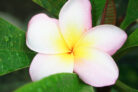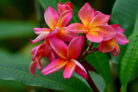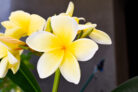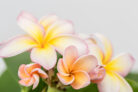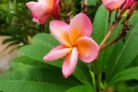
Since the nutrients in potting soil don’t last forever, your Frangipani (Plumeria) needs a little extra help to stay happy. Because these tropical beauties have different needs depending on their age and the season, I always recommend using a specialized Plumeria fertilizer. It’s tailored specifically to what these plants crave!
Which Fertilizer Should You Choose?
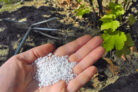
The right fertilizer really depends on how much time you want to spend on your plant care routine. If you’re looking for the “set it and forget it” method, a specialized slow-release fertilizer for Plumeria is your best friend. One application will feed your plant for five to six months.
Beyond that, you’ll want to choose your fertilizer based on what you want your plant to do. Generally, we categorize this into three goals:
- Boosting growth
- Encouraging blooms
- Balancing both growth and flowers
Boosting Growth
Since Frangipanis usually don’t start blooming until they are about three years old, the goal for young plants is to build a strong root system and healthy structure. For these “teenagers,” you’ll want a fertilizer with a high phosphate content. Start feeding them as soon as you see new leaves popping out in the spring. Here is a quick schedule for growth:
- Timeframe: April through September
- Frequency: Every week or every two weeks
- October: One final feeding for the season
Encouraging Blooms
For mature plants that are ready to show off (or those that have bloomed before), the goal shifts to flower production. To get those stunning, fragrant blossoms, switch to a potassium-rich fertilizer. To support flower development, feed your Plumeria:
- From June to the end of August
- Every week or every two weeks
Once the blooming phase is over, you can switch back to a phosphate-heavy fertilizer for September and that final October feeding.
Balancing Growth and Blooms
If you want to encourage both steady growth and beautiful flowers, the trick is to alternate between phosphate-rich and potassium-rich fertilizers. Here’s a simple game plan:
- April to late May: Focus on growth (Phosphate)
- June to late August: Focus on flowers (Potassium)
- September through October: Prepare for winter dormancy (Phosphate)
Slow-Release Fertilizers
Because slow-release fertilizers (granules or spikes) break down nutrients over five to six months, you only need to apply them once a year. The best time is in April, but make sure you get it done by late May at the latest so the plant has time to use those nutrients before winter.
After Repotting
If you are repotting your plant, you can mix slow-release fertilizer directly into the new soil. However, if you prefer using liquid or water-soluble fertilizers, wait about four to six weeks after repotting before you start your feeding schedule. This gives the roots a chance to settle in without getting overwhelmed!