Mites are tiny little arachnids that are experts at playing hide-and-seek, even on a perfectly manicured boxwood. But don’t worry—they aren’t as sneaky as they think! They leave behind some pretty clear clues that’ll help you spot them before they do too much damage. The real question is: which mite are you dealing with, and how do you get rid of it?
Boxwood Spider Mites – Eurytetranychus buxi
Originally from North America, the boxwood spider mite absolutely loves hot, dry weather. This means they tend to throw a population party during those scorching summer months. On the flip side, rainy days and high humidity are their worst enemies. Here’s what to look for if you suspect an infestation:
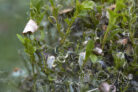
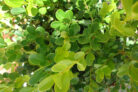
- Tiny white dots or stippling on the leaves
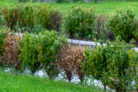
- Leaves turning a rusty-red color
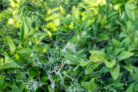
- Greyish undersides, sometimes covered in very fine webbing
- Webs that become clearly visible if you mist the branches with water
- Leaf drop if the infestation gets out of hand
How to Handle Them
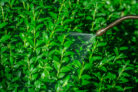
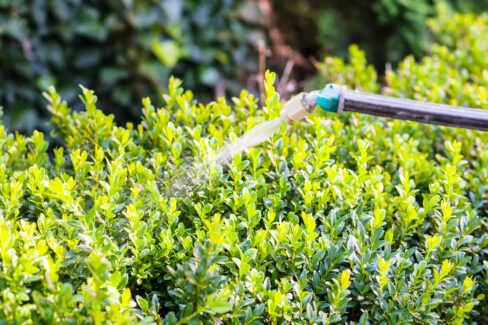
Since these mites thrive in dry air, your best defense is keeping things a bit more humid. If your boxwood is in a very sunny location, try giving it a regular misting with water during the summer. Just don’t go overboard! Too much moisture can invite fungal diseases like downy mildew. For a heavy infestation, an oil-based spray works wonders. For the best results, apply it in the spring and fall—this targets the overwintering eggs before they have a chance to hatch and cause trouble.
Boxwood Bud Gall Mites – Aceria unguiculatus
These microscopic critters usually hang out on the tips of new shoots, young leaves, and buds. Because they slowly suck the sap from the plant, you might not notice the damage until it’s already well underway. Keep an eye out for:
- Infestations starting in early spring
- Visible symptoms showing up by mid-summer
- Deformed, stunted, or “bunched up” shoot tips
- Knot-like swellings on the leaves
- Buds that look swollen and round rather than their usual elongated shape
How to Handle Them
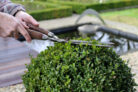
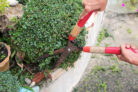
For the most part, gall mites cause cosmetic damage rather than killing the plant. A good, honest pruning is usually enough to keep them in check. Try to do this in the spring as soon as you see the first signs of trouble. If the plant is looking really rough, you might need to cut it back hard, even into the old wood. Products containing canola oil or neem oil (which are also great for aphids) work well against mites too. Give your boxwood a treatment after pruning to make sure you’ve cleared them out.
Pro Tip:
Always toss your infested clippings into the trash, not the compost pile! Mite eggs are surprisingly tough, and composting them is just a one-way ticket back into your garden beds later.